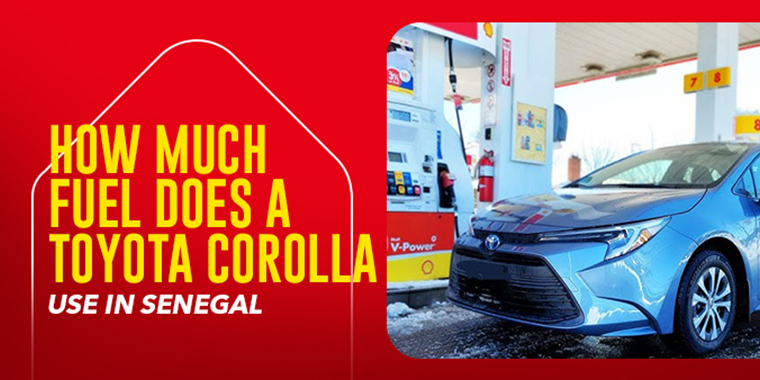
Purchasing a vehicle online can feel like navigating a maze, especially when you are trying to balance reliability with long-term running costs. For many drivers across Senegal, the ultimate benchmark for a dependable vehicle is the Toyota Corolla. It is a car celebrated globally for its longevity and efficiency. However, when you are browsing listings online, a critical question inevitably arises: How much fuel does a Toyota Corolla actually use on Senegalese roads?
Understanding real-world fuel consumption is vital because factory estimates rarely tell the whole story. In this detailed guide, we will break down fuel metrics for recent Corolla models and analyze how local driving conditions affect your wallet. We will also explain the essential legal frameworks you need to know before making a purchase.
The Baseline: Official vs. Real-World Fuel Consumption
When looking at the technical specifications of a modern Toyota Corolla, the numbers look highly promising. On average, a standard petrol-powered Toyota Corolla equipped with a 1.8-liter engine consumes roughly 6.5 to 7.5 liters of fuel per 100 kilometers (L/100km). In terms of local metrics, this translates to an efficient 13 to 15 kilometers per liter (km/L). However, if you manage to secure a hybrid variant, those numbers improve dramatically. They can often reach an impressive 4.5 L/100km (around 22 km/L).
Despite these stellar factory ratings, real-world driving across Senegal introduces variables that will alter these figures. Factory testing occurs under flawless laboratory conditions with zero wind resistance, perfectly flat tracks, and no traffic. Consequently, these baseline figures offer an excellent starting point for comparison. However, your daily consumption will naturally fluctuate based on where and how you drive.
Navigating Urban Traffic: The Dakar Congestion Factor
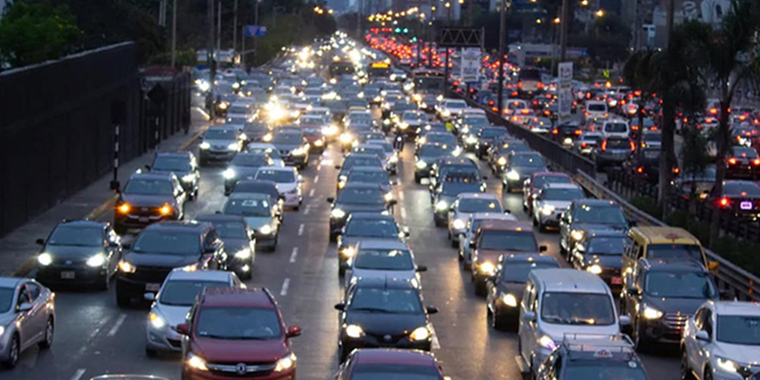
If your daily commute involves driving through the bustling heart of Dakar, your fuel consumption patterns will look vastly different. Navigating areas like Avenue Blaise Diagne, the VDN, or the packed streets of Medina requires constant stop-and-go driving. Because a vehicle consumes the highest amount of energy when moving from a dead stop, gridlock significantly lowers your fuel efficiency.
In heavy Dakar traffic, a standard petrol Corolla’s consumption can easily climb to 9.5 or 10.5 L/100km (km/L drops to around 9.5 to 10.5). To counteract this, newer models feature automatic stop-start systems that kill the engine while idling, providing massive relief to your wallet. If efficiency in heavy traffic is your absolute priority, hunting down a hybrid version is highly recommended, as the electric motor handles low-speed crawling without burning a single drop of fuel.
Cruising the Highways: Efficiency on the Autoroute de l'Avenir
On the flip side, the narrative changes completely when you escape the city center and hit the open tarmac. Driving on modern infrastructure like the Autoroute de l'Avenir (A1) or making the trip from Dakar to the holy city of Touba allows the Toyota Corolla to showcase its engineering strengths truly.
When cruising at a steady speed of 90 to 110 km/h, the engine operates in its optimal RPM range. Furthermore, the aerodynamic design of recent generations minimizes drag. On these smooth highways, a well-maintained Corolla easily hits its target efficiency of 6.0 to 6.5 L/100km (15 to 16.6 km/L). Therefore, if your weekly routine involves intercity travel or commuting from modern residential hubs, your overall fuel budget will remain manageable.
Environmental and Infrastructural Influences in Senegal
Beyond traffic, local environmental factors play a massive hidden role in how much fuel your vehicle burns. First, consider the intense West African heat. Throughout the hotter months in Senegal, your air conditioning system will likely run at maximum capacity. Because the AC compressor draws mechanical power directly from the engine, running it constantly can increase your fuel consumption by 10% to 15%.
Second, road quality outside of the main highways introduces structural challenges. Rough tarmac, sandy secondary streets, and frequent speed bumps disrupt your driving momentum. Every time you slow down for a pothole or a sand drift and accelerate back up to speed, the engine burns extra fuel. While the Corolla's robust suspension handles these terrains beautifully, the frequent changes in velocity naturally tax your fuel tank more than driving on perfectly uniform European or American roads.
The Crucial 8-Year Import Law Explained
As a savvy buyer looking to bring a vehicle into the country, you must keep Senegal's strict customs regulations at the top of your mind. Senegal enforces a strict environmental and safety policy: only vehicles manufactured within the last 8 years can be legally imported into the country.
This law has a massive, positive side effect on your fuel budget. Because you are legally restricted to buying newer models, you are naturally forced to purchase vehicles featuring Toyota’s most advanced, fuel-efficient engine technologies. Engines built within this eligible window benefit from refined Valvematic technology, lightweight aluminum blocks, and highly optimized Continuous Variable Transmissions (CVTs) that keep fuel consumption remarkably low.
When you are actively browsing online marketplaces for a used Toyota Corolla for sale, always verify the exact production year on the vehicle identification number (VIN) to ensure compliance with this 8-year rolling window.
Smart Maintenance Tips to Keep Consumption Low
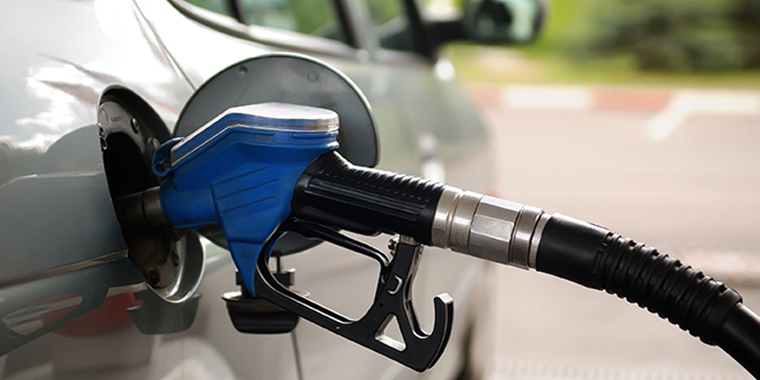
Buying an efficient car is only half the battle; maintaining that efficiency on Senegalese terrain is the other. The local environment introduces specific challenges, such as airborne dust, seasonal heat, and varied road surfaces, that can silently degrade your fuel economy over time. Fortunately, keeping your Corolla running at peak efficiency does not require complex mechanical overhauls. Instead, it relies on a few consistent, targeted maintenance habits.
Managing Air Filtration in Dusty Climates
Many secondary roads across Senegal are unpaved. Moreover, seasonal Harmattan winds carry fine desert dust. Therefore, your engine’s air filter faces a continuous battle. Think of the air filter as your car's lungs. When it becomes choked with dirt and sand, the engine must work twice as hard to draw in air.
To compensate for the lack of oxygen, the vehicle’s computer automatically injects more fuel into the combustion chambers. This altered air-fuel ratio can silently rob you of up to 10% of your fuel economy. Consequently, while standard manuals suggest changing the filter once a year, checking it every three months in Senegal is highly advisable. A quick tap to knock out trapped dust, or a cheap replacement, will instantly restore your fuel numbers.
Optimizing Rolling Resistance and Tire Care
Another critical factor that directly impacts your fuel tank is tire maintenance. Driving on under-inflated tires increases the surface area of the rubber touching the road. This creates excessive rolling resistance, meaning the engine has to burn extra fuel to push the vehicle forward.
Pressure Checks: Check your tire pressure bi-weekly when the tires are cold. Keeping them inflated to the exact manufacturer’s specifications (usually found on a sticker inside the driver’s door) can improve mileage by up to 3%.
Alignment and Balancing: The frequent speed bumps and potholes in urban centers can easily knock your wheels out of alignment. Misaligned wheels drag against each other, which forces the engine to fight constant friction. Ensuring regular wheel alignment during oil changes keeps your drive smooth and your consumption minimal.
Component Care: Fluids and Spark Plugs
The internal health of your engine dictates how effectively it converts every drop of fuel into motion. Using the correct engine oil viscosity is paramount for a modern Corolla, especially those equipped with precision VVT-i systems.
Engine Oil: Always use the high-quality, low-viscosity synthetic oil recommended by Toyota (such as 0W-20 or 5W-30). Thicker, low-grade oils create internal mechanical drag, which makes the engine work harder and consume more fuel.
Spark Plugs: For older vehicles within the legal 8-year import window, worn spark plugs can cause incomplete combustion. This results in unburnt fuel escaping through the exhaust pipe. Replacing plugs at the recommended intervals ensures a clean, efficient burn every single time the cylinder fires.
By tracking these minor details, you protect your investment and ensure your vehicle delivers excellent long-term economy on local roads.
Conclusion
Ultimately, the Toyota Corolla remains one of the smartest automotive investments a driver in Senegal can make. Heavy urban traffic in Dakar and high summer temperatures will push your real-world consumption slightly above factory ratings. However, its highway efficiency and mechanical resilience are unmatched.
By keeping the mandatory 8-year import rule in mind during your online search. You guarantee that you will receive a modern, technologically advanced vehicle built to optimize every drop of fuel. With proper maintenance tailored to local conditions, a Corolla will keep your daily transit smooth, predictable, and highly cost-effective.