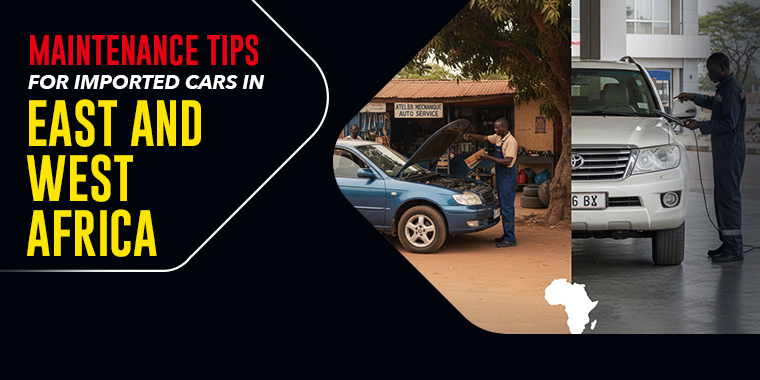
Imported cars have become a top choice across East and West Africa due to their performance and reliability. From the bustling roads of Lagos and Accra to the hilly terrains of Nairobi and Kampala, imported cars from Japan for Africa dominate the roads, alongside vehicles from the UAE and China. However, owning one is just the beginning. Keeping it in top shape in Africa’s diverse climates and road conditions requires careful attention and proper maintenance.
Whether you drive a used Toyota, a used Nissan, or a used BMW, knowing how to maintain your imported car can help you save money, extend its life, and preserve its resale value. Here’s a comprehensive guide to keeping your vehicle running smoothly, wherever you are in Africa.
1. Understand Your Vehicle’s Origin and Adapt It to Local Conditions
One of the most common mistakes owners make after importing a car is failing to maintain its original setup. Cars from Japan or Europe, for example, are designed for specific climates and road conditions that differ from those in Africa.
Before hitting the road, take your vehicle for a thorough inspection. Have a trusted mechanic adjust the cooling system, air filters, and fuel settings to suit local temperatures and fuel quality. In regions like Kenya or Tanzania, where dust and high altitudes can impact performance, it’s wise to upgrade air filters and ensure your cooling system is optimized.
In West Africa, particularly in Nigeria and Ghana, the heat and humidity can strain imported engines that are not designed for tropical climates. Installing a more efficient radiator or synthetic coolant can help prevent overheating and extend the engine's lifespan.
2. Regular Oil and Fluid Changes
Regular oil changes are the foundation of car maintenance, especially for imported vehicles. Many cars from Japan or Europe are designed for shorter service intervals and specific oil grades that may not be available locally.
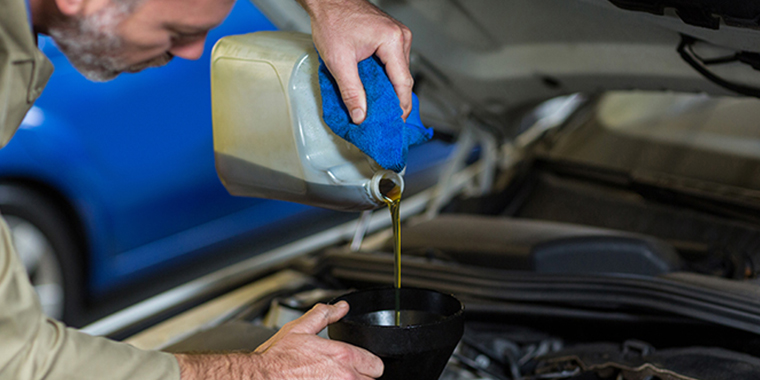
Therefore, to protect your engine, always use high-quality oil recommended for your car’s make and model. Synthetic oils generally perform better in Africa’s high temperatures. Likewise, don’t overlook transmission fluid, brake fluid, and coolant.
Change your oil every 4,000 to 6,000 kilometers, or sooner if you drive in dusty or hot areas. Fresh oil not only lubricates but also cools the engine and prevents sludge buildup, which can be particularly damaging in older imported cars.
3. Protect Against Dust and Corrosion
Dust is a silent enemy for car engines, especially in semi-arid regions like northern Kenya or parts of Ghana. It clogs filters, reduces airflow, and can even cause premature engine wear.
Clean or replace air filters more frequently, ideally every 10,000 kilometers. Also, make it a habit to clean the undercarriage of your car regularly. Roads in both East and West Africa often have mud, salt, and debris that stick to the underside, causing corrosion over time.
Applying an anti-rust coating is also highly recommended, especially for coastal regions such as Mombasa, Dar es Salaam, or Lagos, where salty air accelerates rust. This small step can make a big difference in preserving your car’s chassis and suspension.
4. Check Tire Pressure and Alignment Frequently
African roads can be unpredictable, with smooth highways one moment and rough patches the next. These conditions can affect tire wear and alignment. Proper tire maintenance ensures improved fuel economy, enhanced stability, and increased safety.
Always check tire pressure at least once a week. Underinflated tires increase fuel consumption and wear unevenly, while overinflated ones reduce grip and comfort. Align your tires every 10,000 kilometers or if you notice the steering pulling to one side.
In regions with frequent rainfall, such as parts of Uganda and Sierra Leone, ensure your tires have deep tread to prevent hydroplaning. Good tires aren’t just about performance; they’re about safety, too.
5. Adapt to Local Fuel Quality
Fuel quality in some African countries may differ from what your imported car was designed to operate on. Some high-compression engines, particularly in European and Japanese cars, require premium fuel, which may not always be readily available.
Consult a mechanic about tuning your engine to handle locally available fuel. Adding a fuel system cleaner every few months can also prevent carbon buildup and keep injectors working properly.
For diesel vehicles, water contamination is a real risk. Always refuel from trusted stations and consider adding a diesel additive to prevent microbial growth in the tank.
6. Maintain the Cooling System
Overheating is one of the most common issues with imported vehicles in Africa. High temperatures and heavy traffic put extra stress on cooling systems that were designed for cooler environments.

Inspect your radiator, thermostat, and coolant levels regularly. Flush and replace the coolant at least once a year to prevent corrosion and buildup. In hot regions like Sudan or Nigeria, using a high-performance coolant or radiator fan can make a noticeable difference.
Never ignore small leaks or rising temperature gauges; these are early warning signs that can save you from costly engine damage.
7. Keep Electrical Systems in Check
Imported vehicles often come equipped with advanced electronics, ranging from climate control systems to sophisticated infotainment units. However, high humidity, heat, and dust can affect wiring and sensors over time.
Have your electrical system checked during every major service. Ensure that connectors are clean, battery terminals are tight, and there’s no corrosion. Use a voltage stabilizer if you notice frequent power fluctuations, as it helps protect sensitive components.
Additionally, replace the battery every 2 to 3 years, especially if your vehicle operates in high temperatures or if you frequently use accessories that drain power.
8. Service Your Suspension and Brakes Regularly
African roads, especially those in rural areas, can be particularly tough on suspension systems. Constant exposure to potholes and uneven surfaces accelerates wear on shocks, struts, and bushings.
Inspect your suspension every 10,000 kilometers. Replacing worn components early prevents further damage and keeps your ride comfortable.
The same applies to brakes. Dusty and wet conditions can quickly wear down pads and rotors. Have them inspected regularly and replace brake fluid at least once every year to maintain stopping power.
9. Don’t Ignore Software Updates and Diagnostics
Many modern imported vehicles rely on electronic control units (ECUs) that need regular updates. Even if your car is a few years old, these updates can enhance performance, improve fuel economy, and reduce emissions.
Visit a qualified workshop equipped with diagnostic tools that can read your vehicle’s onboard systems. These scans can detect hidden issues long before they become serious, saving you time and money.
In countries like Kenya or Ghana, specialized import car garages are becoming more common. Finding one that understands your vehicle’s software and configuration is worth the effort.
10. Create a Maintenance Schedule and Stick to It
Lastly, consistency is key. Many imported cars come with maintenance logs; use them. Create a local schedule that matches African driving conditions rather than relying solely on the manufacturer’s guide.
Mark your calendar for oil changes, air filter replacements, tire checks, and coolant flushes. Keeping a simple record helps you anticipate maintenance costs and ensures your car stays in peak condition year-round.
Regular maintenance doesn’t just prevent breakdowns; it enhances performance, reduces emissions, and increases resale value when it’s time to upgrade.
Final Thoughts
Owning an imported car in East or West Africa comes with numerous benefits, including comfort, durability, and fuel efficiency. But those advantages only last if you maintain your vehicle properly. By understanding local conditions, adapting your car’s systems, and following a disciplined maintenance schedule, you’ll enjoy reliable performance for years.
In short, take care of your imported car, and it will take care of you, mile after mile, across the vibrant roads of Africa.