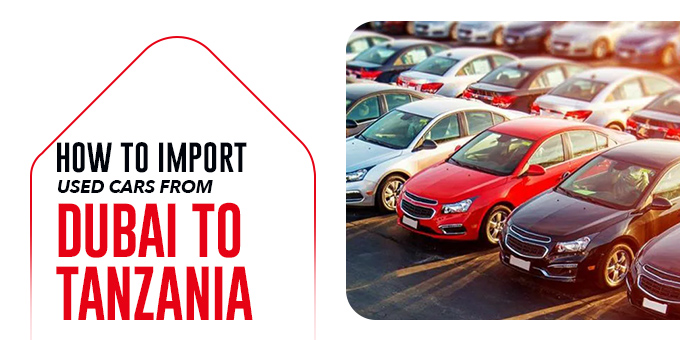
Importing a used car from Dubai to Tanzania has become increasingly popular. Buyers are attracted to the wider selection, better condition, and competitive prices that Dubai’s automotive market offers. So, whether you're looking for a reliable Toyota, a luxury Lexus, or a powerful SUV from Nissan or Mitsubishi, Dubai is one of the best places to shop for these vehicles.
However, the import process can feel overwhelming if you're doing it for the first time. Therefore, this guide breaks down everything you need to know, from selecting the right dealer to organizing shipping and handling customs clearance, as well as understanding taxes and regulations in Tanzania.
Why Import from Dubai?
Firstly, why should you import from Dubai? Dubai is known globally for its vast automotive market. As many residents frequently upgrade their vehicles, thousands of well-maintained used cars enter the market each year. Additionally, the UAE’s hot climate means cars are less likely to suffer from rust or chassis corrosion.
Furthermore, used car prices in Dubai are often lower compared to local Tanzanian markets. By importing, buyers can find higher-spec models, unique trims, and better overall value. Additionally, cars often come with clear maintenance records, providing an extra layer of peace of mind.
Start with Research and Budgeting
Before anything else, establish a clear budget. However, apart from the price of the car, you must consider:
- Shipping charges
- Import taxes and duties
- Port handling fees
- Clearing and forwarding charges
- Registration and inspection costs
Because these elements add up quickly, planning helps you avoid surprises later. Additionally, research models that meet Tanzanian import guidelines, especially regarding age limits and environmental standards. Furthermore, most buyers prefer vehicles that are ten years old or less for easier registration and better resale value.
Choosing a Reliable Seller in Dubai
Although Dubai has many trusted dealerships and car auction platforms, selecting the right seller matters greatly. Always prioritize reputable dealers with transparent pricing and thorough inspection reports. Moreover, check reviews, request multiple photos, and verify the chassis and engine numbers.
Buyer tips:
- Ask for a pre-purchase inspection report
- Confirm the vehicle is accident-free
- Ensure mileage is genuine and documented
- Request the original Emirates Registration card
Additionally, avoid sellers who pressure you or refuse to share paperwork. When possible, have a representative physically inspect the car on your behalf.
Understanding the Paperwork Required
Documentation is crucial for a smooth import process. Therefore, after purchasing the car, the Dubai dealer should provide:
- Original Invoice
- Export Certificate
- Vehicle Registration Card (Mulkiya)
- Bill of Lading (from the shipper)
- Insurance documents for transport
Keep all documents safe and easily accessible because Tanzanian customs will require them upon arrival.
Shipping Methods: RORO vs. Container
There are two main shipping methods to transport your car from Dubai to Tanzania:
Roll-On Roll-Off (RORO)
This is a cost-effective option where vehicles are driven onto the ship and secured in place. However, it offers less protection, as your car will be exposed to external elements during transit.
Container Shipping
This method provides maximum security because vehicles are placed inside a sealed container. Although more expensive, it is ideal for high-value or luxury models.
The transit time from Dubai to Dar es Salaam typically ranges between 10 and 20 days, depending on shipping schedules.
Import Duties and Taxes in Tanzania
Once the vehicle reaches Dar es Salaam Port, customs clearance begins. Tanzania Revenue Authority (TRA) calculates taxes based on the vehicle’s CIF value (Cost + Insurance + Freight). Duties typically include:
- Import Duty
- Value Added Tax (VAT)
- Excise Duty (based on engine size)
- Railway Development Levy
Because rates vary depending on the model, year, and engine capacity, using the TRA tax calculator is highly recommended. It helps estimate the total landing cost accurately before purchasing a car abroad.
Clearing the Vehicle at the Port
To speed up clearance, it is often best to hire a licensed clearing and forwarding agent. They understand port processes and can minimize delays.
Here’s what typically happens at the port:
- Submission of documents to TRA
- Vehicle inspection and verification
- Tax payment and approval
- Issuance of customs release order
Additionally, ensure the vehicle passes safety standards and emissions checks before registration.
Vehicle Registration in Tanzania
After clearance, the final steps involve completing registration:
- Obtain a roadworthiness certificate
- Pay registration and number plate fees
- Complete insurance documentation
Once approved, the car becomes fully legally drivable in Tanzania. Many buyers also take their vehicles for further mechanical inspections or detailing before hitting the road.
Key Regulations to Keep in Mind
Tanzania has automotive import regulations that buyers must follow:
Age limit: Vehicles older than ten years may be subject to additional excise fees.
Right-hand drive (RHD) only: Left-hand drive cars are restricted except for special use.
Emission compliance: Cars should meet environmental standards to avoid penalties.
As regulations are updated periodically, staying informed helps ensure compliance.
Tips for a Smooth Import Experience
Although the process of importing used cars from Dubai to Tanzania is manageable, the difference between a stressful experience and a smooth one often comes down to preparation. Therefore, taking a strategic approach from the very beginning can save you time, money, and frustration.
Here are expanded, practical tips to guide you through each step:
Do Thorough Price Comparisons
Although Dubai is known for its attractive vehicle pricing, not every deal is a bargain. It is wise to compare prices across multiple platforms, dealerships, and auction listings to ensure you get the best deal. Additionally, look beyond the sticker price and consider the total landing cost in Tanzania, including taxes and duties. By doing so, you avoid unexpected financial strain in the future.
Verify Vehicle Condition Carefully
Before committing to a purchase, ensure the car is mechanically sound. Ask for:
- A professional inspection report
- Full-service history and mileage records
- High-resolution photos and videos
- Chassis and engine number confirmation
Furthermore, ensure the vehicle is free from structural accidents, flood damage, or major repairs. A few hours of verification can protect you from costly maintenance issues after arrival.
Check the Vehicle’s Eligibility for Import
To avoid delays or penalties at customs, verify that the vehicle complies with Tanzanian regulations:
- Prefer right-hand drive vehicles
- Confirm that the car’s age does not exceed the allowed limits
- Ensure it meets emissions and road safety standards
This simple yet essential step helps you avoid purchasing a vehicle that is difficult or expensive to register.
Work with Trusted Shipping and Clearing Agents
Reliable partners can make a world of difference. Choose a shipping company with a solid track record of transporting vehicles to East Africa. Also, hire a licensed clearing and forwarding agent in Dar es Salaam to oversee customs procedures on your behalf.
These professionals take care of:
- Customs declarations
- Port handling
- Tracking and documentation
- Duty assessment support
As a result, you avoid unnecessary delays at the port and ensure that your vehicle is released more quickly.
Keep All Documents Organized and Secure
Every document matters when importing a car. Therefore, make sure you have:
- Purchase invoice
- Export certificate
- Bill of Lading
- Marine insurance (if applicable)
- Registration documents
- Copies of identification or business paperwork
Keep additional photocopies and digital scans as backups. Missing paperwork can significantly delay customs clearance.
Final Thoughts
Importing a used car from Dubai to Tanzania can be a smart investment. You gain access to a larger selection, better quality, and competitive prices. Yes, the process involves paperwork, taxes, and shipping logistics. However, with the right guidance and preparation, you can enjoy a seamless experience and drive away with the perfect vehicle for your needs.