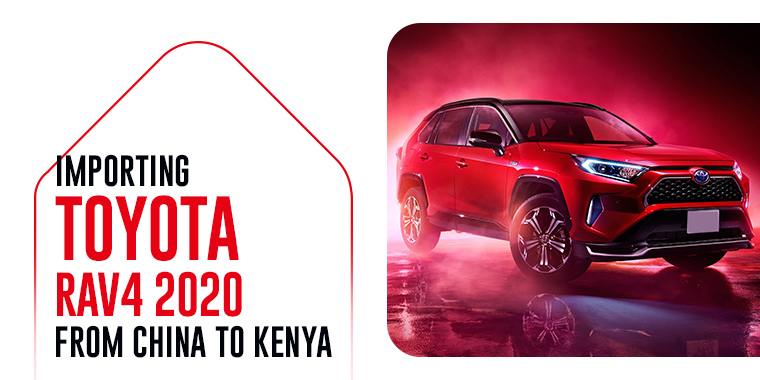
Finding the right vehicle for Kenyan roads can feel like balancing on a tightrope. On one hand, you need a vehicle that can handle urban city traffic without burning a hole through your wallet. On the other hand, you require a durable, high-clearance SUV that tackles unpaved upcountry terrain effortlessly. For thousands of Kenyan motorists, the Toyota RAV4 hits that exact sweet spot.
However, local dealership prices for late-model crossovers often carry heavy markups. Consequently, smart buyers are looking beyond traditional supply chains and turning their attention toward direct importation.
Specifically, importing a 2020 Toyota RAV4 from China has emerged as an increasingly attractive option. China’s vast auto export market offers competitive pricing, pristine vehicle conditions, and rapid shipping turnarounds. This guide breaks down everything you need to know about the 2020 RAV4's stand-out features. It also explains the step-by-step process of importing one seamlessly into Kenya.
Why the 2020 Toyota RAV4 Continues to Capture Kenyan Drivers
When Toyota redesigned the RAV4 for its fifth generation, it shifted from soft, rounded curves to a bold, chiseled stance built on the Toyota New Global Architecture (TNGA) platform. Furthermore, this structural shift was not merely aesthetic. It significantly improved chassis rigidity, lowered the center of gravity, and enhanced overall handling stability.
In Kenya, where road conditions vary dramatically from modern expressways to rutted dirt bypasses, the 2020 RAV4 delivers an exceptional blend of comfort and resilience. Moreover, Toyota's legendary reliability means spare parts are easily accessible across the country, and local mechanics understand the vehicle inside out. As a result, resale values remain among the highest in the compact SUV segment.
Stand-out Features of the 2020 Toyota RAV4
Before starting the import paperwork, it is essential to evaluate what makes the 2020 model year particularly compelling for Kenyan buyers.
Engine Options and Fuel Efficiency
The 2020 RAV4 typically features two primary powertrain choices:
2.5-Liter Dynamic Force 4-Cylinder Engine: Producing 203 horsepower, this naturally aspirated engine is mated to an 8-speed Direct-Shift automatic transmission. Consequently, acceleration feels crisp and responsive during highway overtaking.
2.5-Liter Hybrid Variant: Combining a gasoline engine with electric motors, the RAV4 Hybrid pushes output to 219 horsepower while offering superior fuel economy. Given rising fuel prices across East Africa, achieving over 17 km/L in city stop-and-go driving provides significant operational savings.
Interior Ergonomics and Technology
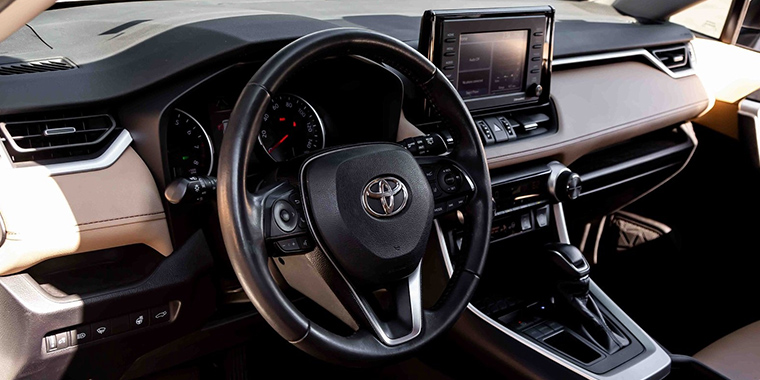
Inside the cabin, Toyota prioritized practical utility alongside modern convenience. The dashboard features intuitive physical dials for climate control alongside a crisp touchscreen infotainment screen.
Infotainment: Standard Apple CarPlay and Android Auto integration allow you to mirror navigation apps like Waze directly on the central screen. This is an indispensable feature for navigating Kenyan urban routes.
Cabin Space: Generous legroom in both rows ensures passenger comfort on long road trips. Additionally, the rear cargo floor is dual-level and reversible, making it easy to haul luggage, farm produce, or safari gear without damaging the interior carpeting.
Advanced Safety Features (Toyota Safety Sense 2.0)
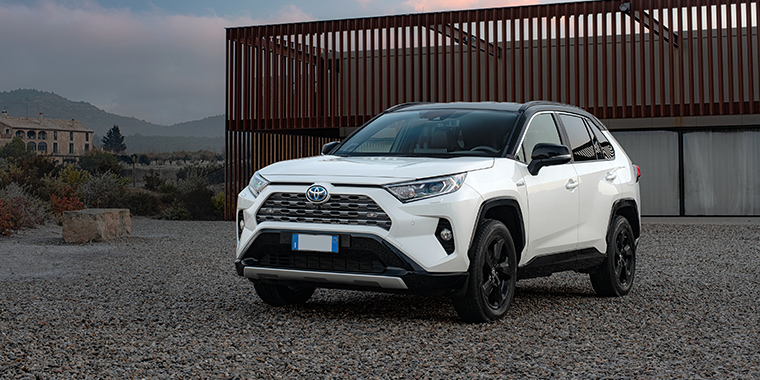
Safety remains a paramount consideration for vehicle buyers. Fortunately, the 2020 RAV4 comes equipped with Toyota Safety Sense (TSS 2.0) as a standard suite of driver-assist technologies:
Pre-Collision System with Pedestrian Detection: Helps mitigate potential front-end collisions by warning the driver or automatically applying brakes in emergencies.
Lane Departure Alert with Steering Assist: Monitors road markings and subtly adjusts steering if you inadvertently drift out of your lane.
Dynamic Radar Cruise Control: Automatically adjusts cruising speed to maintain a preset distance from the car ahead, significantly reducing driver fatigue during long stretches on the highway.
Why Sourcing a 2020 RAV4 from China Makes Practical Sense
Traditionally, Kenyan car buyers imported used vehicles almost exclusively from Japan or the United Kingdom. While those markets remain popular, China’s secondary automobile export ecosystem has expanded exponentially over recent years.
First, China’s domestic market features strict urban emissions inspections and lower average annual driving mileage. This means 2020 models sourced from Chinese sellers are frequently in pristine mechanical condition. Second, high supply volumes in China create healthy competition among exporters. This allows buyers to negotiate better purchase prices compared to tighter European or Japanese inventories.
Finally, maritime logistics from major Chinese ports (such as Shanghai, Ningbo, or Guangzhou) to the Port of Mombasa are well-established, offering predictable shipping timelines.
Navigating Kenyan Import Regulations: What You Must Know
Importing directly from China offers substantial cost savings. However, failure to comply with Kenyan statutory regulations can result in severe financial penalties or rejected customs clearance. Therefore, understanding the legal framework beforehand is critical.
The 8-Year Age Limit Rule
Under the guidelines set by the Kenya Bureau of Standards (KEBS) and the Kenya Revenue Authority (KRA), imported passenger vehicles must not exceed eight years from their year of first registration. Since the model in question is a 2020 manufacture, it comfortably falls well within the legal threshold, guaranteeing compliance and hassle-free processing upon arrival at the port.
The Right-Hand Drive (RHD) Requirement
Kenya strictly operates on a Right-Hand Drive (RHD) mandate. Vehicles registered in Kenya must have the steering wheel on the right side because traffic travels on the left lane. Because China's domestic traffic is predominantly Left-Hand Drive (LHD), buyers must specifically source RHD export-spec units manufactured in China for international RHD markets, or work with verified exporters who specialize in compliant export inventories. Attempting to import an LHD vehicle for standard personal use will lead to immediate rejection by customs officials.
Pre-Shipment Roadworthiness Inspection (CoR)
Before any car leaves China for Kenya, it must undergo a mandatory pre-export inspection. Authorized inspection agencies verify structural integrity, mechanical safety, emissions standards, and mileage accuracy. Upon successful testing, a Certificate of Roadworthiness (CoR) is issued. Shipping a car without this document incurs heavy penalty fees from KEBS upon arrival in Mombasa.
The Step-by-Step Importing Process: China to Mombasa
To make your import journey as smooth as possible, follow this organized procedure:
Vehicle Identification & Verification: Partner with a reputable car exporter like SBT Japan. Request detailed high-resolution photos, a comprehensive condition report, and confirmation of RHD specification alongside the vehicle logbook/export certificate.
Pre-Shipment Inspection: Ensure the exporter coordinates with a KEBS-approved pre-shipment inspection company to secure your Certificate of Roadworthiness prior to port departure.
Logistics & Shipping Arrangement: Choose between Roll-on/Roll-off (Ro-Ro) shipping, where the car is driven onto a specialized vessel, or Containerized Shipping. While Ro-Ro is usually more economical, containerized shipping provides extra protection against weather exposure and physical damage.
Documentation Handover: Obtain the original Bill of Lading, Commercial Invoice, Export Certificate, and Inspection Certificate from the seller.
Customs Clearance at Mombasa: Hire a licensed Kenyan clearing agent. Upon arrival, your agent will submit all documents to the Kenya Revenue Authority (KRA) via the trade portal to assess duty, excise, and VAT.
Registration & Delivery: Once duties are settled, the National Transport and Safety Authority (NTSA) issues new Kenyan number plates and logbook registration, allowing you to drive your RAV4 off the port lot.
Understanding the Full Cost Structure
When budgeting for an import, the purchase price in China is only one component of the total landed cost. To avoid unexpected expenses, factor in the following items:
CIF Value (Cost, Insurance, and Freight): The combined cost of purchasing the vehicle, marine insurance, and sea freight charges to Mombasa.
Import Duty: Standard rate set by KRA (typically 25% of the CIF value).
Excise Duty & Value Added Tax (VAT): Calculated based on the engine capacity (2,498 cc) and cumulative customs value according to KRA templates.
Port Handling & Clearing Fees: Payments made to the Kenya Ports Authority (KPA), shipping lines, and your local clearing agent.
Calculating these figures early ensures you maintain a realistic financial picture from start to finish.
Conclusion
Importing a 2020 Toyota RAV4 from China to Kenya represents a practical, cost-effective route to owning a compact SUV. By leveraging China’s expanding vehicle export market, you gain access to well-maintained vehicles at competitive price points. However, the key to a stress-free import lies in careful planning and working with an experienced clearing agent at Mombasa. With those bases covered, you can comfortably sit back and look forward to hitting the road in a car perfectly tailored for Kenyan driving.