Dubai’s dominance as a global automotive re-export hub is not merely a matter of convenience. It is a calculated result of world-class infrastructure, economic foresight, and a deep understanding of the African consumer’s needs. Additionally, for buyers in Kenya and beyond, the UAE offers a transparent, efficient, and cost-effective alternative to local dealerships.
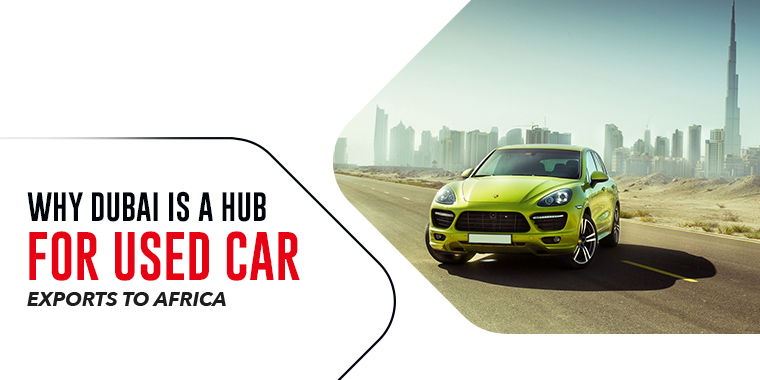
Why Dubai Is a Hub for Used Car Exports to Africa
The rise of Dubai is due to several strategic and economic factors that have converged to make it the go-to source for pre-owned vehicles.
1. The "Re-Export" Phenomenon and Tax-Free Trade
Dubai’s Jebel Ali Free Zone (Jafza) and the Dubai Auto Zone (DAZ) are designed specifically to facilitate international trade. Additionally, cars imported into these zones are exempt from customs duties provided they are destined for re-export. As a result, dealers can maintain a massive inventory without the tax overhead found in other countries, passing those savings directly to the African consumer.
2. High Vehicle Turnover and Condition
The UAE has an incredibly high vehicle turnover rate. Driven by a large expatriate population that typically stays for 2 to 5 years, the market is constantly flooded with relatively young, well-maintained cars. Furthermore, Dubai's high-quality infrastructure means that "used" cars often have less suspension wear and tear than those from Europe or North America.
3. Logistical Connectivity to African Ports
Dubai’s geographical location acts as a bridge between the East and the West. With world-class shipping lines connecting Jebel Ali Port to major African hubs such as Mombasa (Kenya), Dar es Salaam (Tanzania), and Lagos (Nigeria), transit times are significantly shorter than those for shipping from Japan or the United States.
Featured Spotlight: Toyota Corolla 2008 Automatic
When discussing used car exports to Africa, the Toyota Corolla 2008 Automatic remains an iconic entry. While newer models are often required for specific markets like Kenya due to age limits, the 2008 Corolla is still highly sought after in countries with more flexible regulations (such as South Sudan or the DRC) or for parts sourcing.
- Pricing: In Dubai’s used-car market, a 2008 Corolla in good condition typically ranges from $3,200 to $4,500 (AED 11,500–AED 16,500).
- Key Features:
Engine: 1.6L or 1.8L 4-cylinder engine.
Transmission: A robust 4-speed automatic gearbox.
Fuel Economy: Approximately 7.3 L/100 km, making it incredibly economical.
Reliability: Known for a "bulletproof" engine and an AC system designed for Middle Eastern heat, which is a vital feature for African climates.
- Why It’s Ideal: Its simplicity is its strength. Additionally, mechanics across the African continent are intimately familiar with this model, and spare parts are available in almost every town.
6 Other Cars Ideal for Export from Dubai
While the Corolla is a staple, African buyers often look for vehicles that can handle diverse terrains or serve as reliable family or business transports. Here are six other top contenders:
1. Toyota Land Cruiser Prado (2019–2021)
The Prado is the king of the African road. It balances luxury with genuine off-road capability.
- Price Range: $30,000–$45,000.
- Features: Full-time 4WD, 7-seater capacity, and high ground clearance.
- Why Export: Additionally, it holds its resale value better than almost any other SUV in Kenya and Tanzania.
2. Toyota Hilux (2019–2022)
The "indestructible" workhorse of the continent.
- Price Range: $18,000–$28,000.
- Features: 2.4L or 2.8L Diesel Turbo engines, available in Single or Double Cabin.
- Why Export: Essential for agriculture, construction, and remote transit.
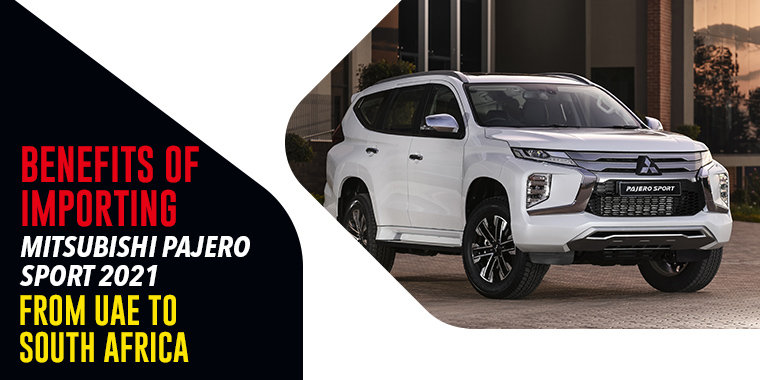
3. Mitsubishi Pajero (2018–2020)
Often seen as the more affordable alternative to the Land Cruiser.
- Price Range: $15,000 – $22,000.
- Features: Super Select 4WD-II system and a rugged chassis.
- Why Export: Production has ended, making well-maintained Dubai stock highly valuable.
4. Nissan Sunny (2020–2023)
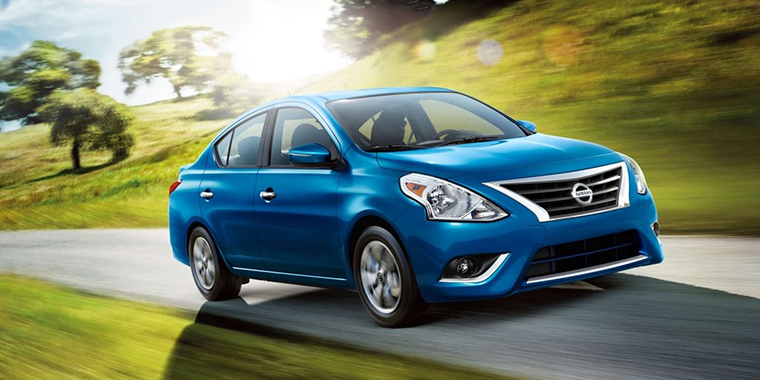
The modern favorite for ride-hailing services like Uber and Bolt in African cities.
- Price Range: $9,000 – $13,000.
- Features: Exceptional fuel efficiency and a surprisingly spacious interior.
- Why Export: Additionally, the low maintenance costs make it the perfect entry-level sedan.
5. Toyota Hiace (2019+)
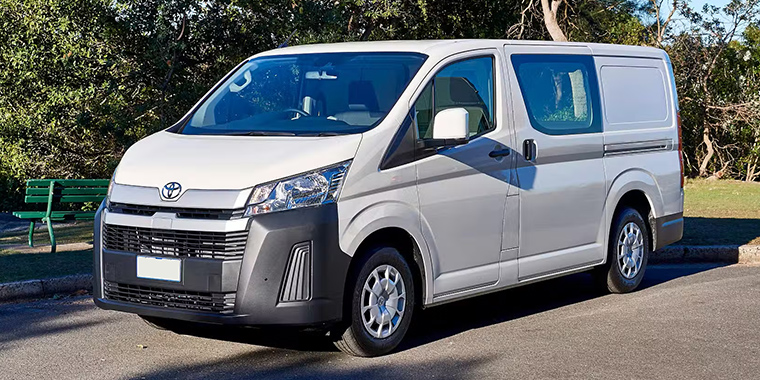
The backbone of public transport (Matatus) and tourism.
- Price Range: $22,000 – $35,000.
- Features: High-roof options and 14–16 seat configurations.
- Why Export: High demand for "commuter" versions in East Africa makes this a high-profit export.
6. Suzuki Jimny (2020+)
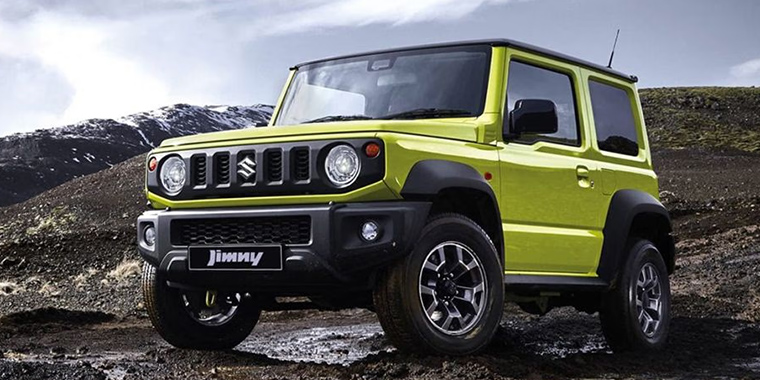
A trendy, compact 4x4 gaining massive popularity for safari rentals and urban youth.
- Price Range: $14,000 – $19,000.
- Features: Lightweight, 1.5L engine, and legendary 4WD prowess.
- Why Export: Furthermore, it has low shipping costs due to its small size and high demand in coastal towns.
Kenya Sourcing: Critical Rules for 2026
If you are sourcing from Dubai for the Kenyan market, the rules are strict. Kenya’s Kenya Bureau of Standards (KEBS) and the Kenya Revenue Authority (KRA) enforce specific mandates that can result in your car being destroyed or shipped back if not followed.
The 8-Year Age Limit
As of 2026, Kenya only allows the importation of vehicles manufactured in 2019 or later. The age is calculated from the year of first registration.
Warning: A 2018 model arriving at Mombasa Port in 2026 will be rejected, regardless of its condition.
Right-Hand Drive (RHD) Requirement
Unlike the UAE, which is a Left-Hand Drive (LHD) market, Kenya drives on the other side. You must ensure you are sourcing RHD vehicles from Dubai. While Dubai is primarily LHD, many specialized exporters in the Dubai Auto Zone stock RHD vehicles specifically for the African and UK markets.
Mandatory Pre-Shipment Inspection
All vehicles destined for Kenya must undergo a Quality Inspection Services Japan (QISJ) roadworthiness inspection while still in Dubai. Furthermore, if the car arrives in Mombasa without a Certificate of Roadworthiness (CoR), you will face heavy fines and the risk of rejection.
Essential Checklist for Importing a Used Car to Kenya
- Verify the Manufacture Year: Ensure the car is a 2019 model or newer (for a 2026 import).
- Check the Steering Side: Confirm the vehicle is Right-Hand Drive (RHD).
- Request the Logbook: Get a copy of the original export documents to verify ownership.
- Book QISJ Inspection: Ensure the car is inspected in Dubai before it is loaded onto the ship.
- Calculate Total Landed Cost: Factor in shipping ($1,000–$2,000) plus Kenyan taxes (often 50-70% of the car's value).
- Select Shipping Method: Choose Ro-Ro (Roll-on/Roll-off) for the best price or Container for maximum protection.
- Hire a Licensed Clearing Agent: You cannot clear a car in Mombasa yourself; you need a KRA-registered agent.
Conclusion: The Future of the Dubai-Africa Automotive Corridor
As we move deeper into 2026, the resonance between Dubai’s automotive market and African demand is stronger than ever. Additionally, Dubai has evolved from a simple marketplace into a sophisticated ecosystem that addresses the main concerns for international buyers.
For the Kenyan buyer, this evolution means more than just a wide selection of cars like the Toyota Corolla 2008 Automatic for parts or newer 2019+ models for the road. Additionally, it means increased transparency. Furthermore, the integration of AI-driven inspection reports and blockchain-verified histories in Dubai is beginning to eliminate the "odometer anxiety" that once plagued the used car industry. Furthermore, as the UAE pivots toward becoming a hub for Electric Vehicles (EVs) and hybrids, African nations with improving power grids will soon find Dubai to be the most affordable source for the next generation of green mobility.
Ultimately, the Dubai-to-Africa pipeline is built on the pillars of trust, speed, and value. By leveraging Jebel Ali's logistical might and the UAE's tax-free trade zones, importers can secure vehicles that are better maintained and more competitively priced than those found in almost any other market in the world. As long as buyers remain diligent with local regulations—like Kenya's 8-year rule and RHD requirements—the road from Dubai to the African continent remains the most profitable path for automotive investment.