Importing a car from Dubai has become a popular option for many drivers in Mozambique. The UAE offers a wide range of well-maintained vehicles, competitive prices, and access to premium brands that are often hard to find locally. However, while the deals may look attractive, the real success of your import journey depends on two critical steps: proper inspection and appropriate insurance coverage.
If you skip these steps or handle them carelessly, you risk buying a vehicle with hidden problems or incurring significant losses during shipping. On the other hand, when you follow the right process, you protect your money and gain peace of mind.
This guide walks you through everything you need to know about inspection and insurance options when importing cars from Dubai to Mozambique.
Why Inspection and Insurance Matter When Importing from Dubai
Buying a car locally allows you to see it, test-drive it, and verify its condition. However, when importing from Dubai, you rely on reports, photos, and third-party checks. Therefore, inspection becomes your eyes on the ground.
At the same time, international shipping comes with risks. Vehicles travel thousands of kilometers by sea, passing through multiple ports and handling points along the way. As a result, insurance becomes your financial safety net.
Together, inspection and insurance protect you from:
- Hidden accident damage
- Mechanical problems
- Flood-damaged vehicles
- Shipping damage
- Theft or loss during transit
In short, they turn a risky purchase into a smart investment.
Understanding the Dubai Used Car Market
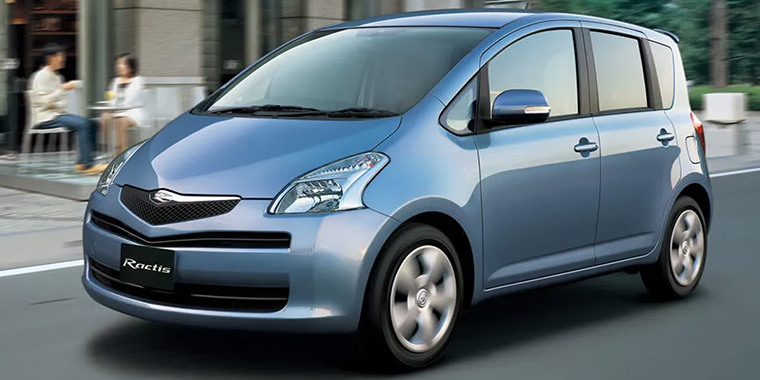
Dubai is a global hub for used car exports. Thanks to strict vehicle regulations, most cars are well-maintained and regularly serviced. Additionally, owners often replace vehicles every few years, creating a steady supply of clean, low-mileage cars.
Popular imports to Mozambique include:
- Toyota Ractis
- Mazda CX-5
- Toyota Vanguard
- Nissan Dualis
- Range Rover models
For example, many buyers still look for classic luxury SUVs like the Land Rover 2007 model because of its solid build and off-road capability.
However, even in a strong market like Dubai, not every car is perfect. That is why inspection is essential.
Types of Vehicle Inspection before Export
There are several inspection options available when importing from the UAE. Each serves a different purpose and budget.
1. Pre-Purchase Inspection (PPI)
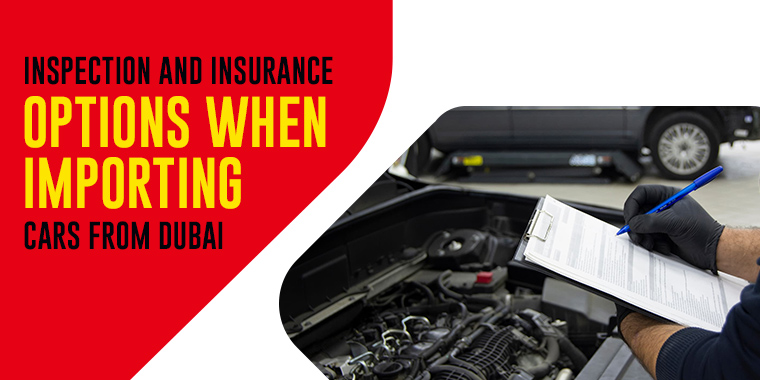
This is the most important inspection you will ever do. A pre-purchase inspection checks the vehicle before you pay for it.
A professional inspector will examine:
- Engine and transmission
- Suspension and brakes
- Electrical systems
- Chassis and frame
- Accident repairs
- Flood or fire damage
- Odometer authenticity
Additionally, they provide a detailed report with photos and recommendations. As a result, you can decide whether to proceed, renegotiate the price, or walk away.
2. RTA Export Inspection
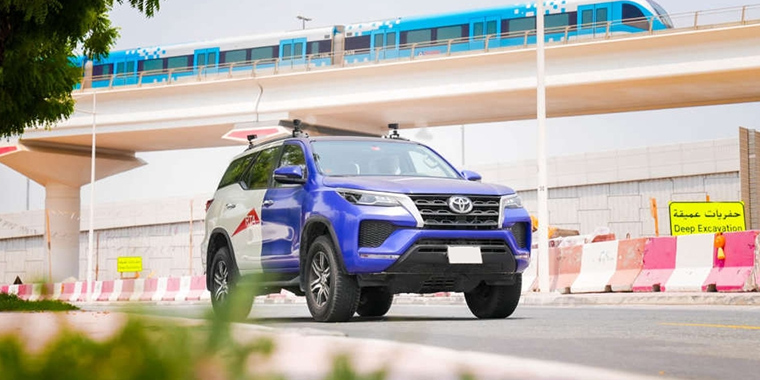
Dubai’s Roads and Transport Authority (RTA) requires all export vehicles to pass a technical inspection before deregistration.
This inspection checks:
- Roadworthiness
- Emissions
- Brake performance
- Safety systems
Although it confirms the car meets minimum standards, it does not replace a full pre-purchase inspection. Therefore, you should use both.
3. Independent Third-Party Inspection
Several international inspection companies operate in Dubai. They send trained engineers to inspect vehicles on your behalf.
They usually provide:
- 150+ point inspection checklist
- High-resolution photos
- Test drive feedback
- Diagnostic scan
This option is ideal if you cannot travel to Dubai yourself.
How to Choose a Reliable Inspection Company
Choosing the right inspection partner is just as important as choosing the car itself.
Look for companies that offer:
- Experience in UAE exports
- Certified inspectors
- Clear reporting format
- Fast turnaround time
- Customer references
Avoid agents who only send a few photos and a short summary. Instead, insist on a full technical report. Moreover, ensure the inspection company is independent of the seller. That way, you receive an honest assessment.
Common Issues Found in Dubai Export Cars
Even though Dubai cars are often well-maintained, inspectors regularly find problems such as:
- Accident repairs not disclosed by sellers
- Odometer rollback
- Transmission wear from desert driving
- Overheating damage
- Suspension fatigue from off-road use
For instance, some older luxury SUVs may look perfect on the outside but hide costly suspension or gearbox issues. A professional inspection saves you from such surprises.
Insurance Options When Shipping Cars from Dubai to Mozambique
Once your car passes inspection and you complete the purchase, the next step is shipping. This is where insurance becomes critical.
International vehicle insurance covers your car from the time it leaves Dubai until it arrives at the port in Mozambique.
Without insurance, you carry 100% of the risk.
Types of Marine Insurance Coverage

There are several types of shipping insurance available for vehicle imports.
1. Total Loss Insurance
This is the most basic coverage. It protects you only if the ship sinks or the car is completely lost. While it is cheaper, it does not cover minor or partial damage.
2. All-Risk Marine Insurance
This is the most recommended option.
It covers:
- Damage during loading and unloading
- Scratches and dents
- Theft
- Fire
- Water damage
- Container accidents
Although it costs more, it provides complete peace of mind.
3. Port-to-Port vs Door-to-Port Coverage
Port-to-port insurance covers the car from Dubai port to Mozambique port.
Door-to-port insurance covers the vehicle from the seller’s location in Dubai all the way to the destination port.
Therefore, door-to-port coverage offers broader protection.
How Insurance Claims Work
If your vehicle arrives damaged, the claim process is simple when you have proper documentation.
You will need:
- Inspection report before shipping
- Shipping bill of lading
- Insurance policy
- Photos of damage at arrival
- Port damage report
Once submitted, the insurer evaluates the claim and pays compensation accordingly.
Because of this, pre-shipping inspection becomes even more important. It proves the car’s original condition.
Cost of Inspection and Insurance
Although costs vary depending on vehicle value and shipping route, here is a general estimate:
Inspection Costs
Basic inspection: $150 – $250
Full mechanical inspection: $250 – $400
Diagnostic scan: $50 – $100
Insurance Costs
Total loss insurance: 0.6% – 1% of vehicle value
All-risk insurance: 1.2% – 2% of vehicle value
For example, if your car costs $20,000, full insurance may cost around $300–$400. In comparison, a single repair after shipping damage could cost thousands.
Step-by-Step Import Protection Process
To keep your import safe and stress-free, follow this proven process:
- Select the car from a trusted exporter like SBT Japan
- Ask for a pre-purchase inspection report
- Negotiate price based on findings
- Confirm RTA export inspection
- Choose all-risk marine insurance
- Ship using a licensed freight forwarder
- Inspect the vehicle again at arrival
By following these steps, you minimize risk and maximize value.
Why Mozambican Buyers Prefer Dubai Imports
Mozambican drivers increasingly choose Dubai for car imports because:
- Prices are competitive
- Vehicle condition is often better
- Service history is usually available
- Premium brands are affordable
- Spare parts are easy to source
Additionally, Dubai’s export infrastructure is well developed. As a result, shipping is efficient and reliable.
Final Thoughts
Importing a car from Dubai to Mozambique can be one of the smartest automotive decisions you make. However, it only becomes a success when you protect your investment with proper inspection and insurance.
A beautiful car on a website does not always mean a healthy car on the road. Therefore, let professionals verify its condition before you pay. At the same time, let insurance protect your money while the vehicle crosses the ocean.
When done correctly, your import journey becomes smooth, predictable, and rewarding. And whether you are buying a family SUV, a luxury sedan, or a classic model like a Land Rover 2007, one rule always applies: inspect first, insure always.