Over the past decade, Jordan’s automotive market has been quietly but steadily transforming. Where traditional petrol-powered sedans and SUVs once dominated the roads, hybrid cars are now becoming a common sight, especially in Amman, Irbid, and Zarqa. This shift is not accidental. Instead, it reflects a mix of economic realities, changing consumer mindsets, and long-term policy signals.
To understand why hybrid cars are becoming so popular in Jordan, it’s important to first look at how the local car market works and what Jordanian buyers truly value. From there, the rise of hybrids begins to make perfect sense.
An Overview of the Jordanian Car Market
Jordan’s car market is unique in several ways. For starters, the country relies heavily on imported vehicles, with Japan, Korea, and the United States being major sources. As a result, used cars account for a significant share of total vehicle sales. Buyers tend to prioritize practicality, reliability, and long-term ownership costs over luxury or performance.
At the same time, fuel prices in Jordan are among the highest in the region. Since the country imports most of its energy, fluctuations in global oil prices directly affect everyday drivers. Consequently, fuel efficiency has become a top consideration when choosing a car.
Moreover, urban congestion, especially in Amman, has increased over the years. Daily stop-and-go traffic makes fuel-hungry engines less appealing. Against this backdrop, hybrid cars have emerged as a smart middle ground between conventional vehicles and fully electric cars.
Market Trends Driving the Shift toward Hybrids
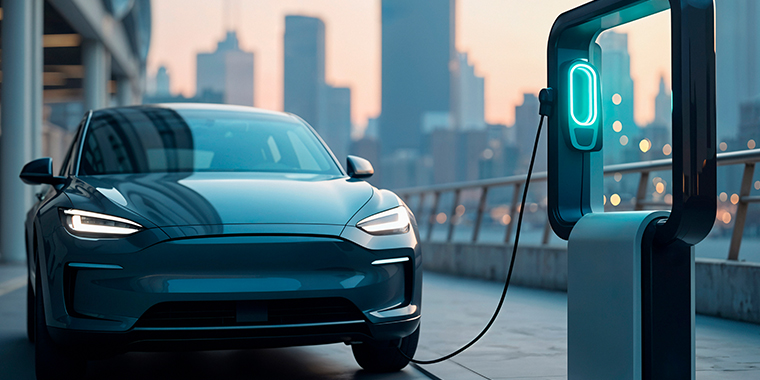
Several trends have shaped buying behavior in Jordan over the past few years. First, there has been a noticeable increase in awareness around fuel economy. Buyers are no longer focused solely on the purchase price. Instead, they are calculating running costs over five or even ten years.
Second, hybrid technology has matured. Earlier concerns about battery life, maintenance complexity, and resale value have largely faded. Today’s hybrids are more reliable, easier to service, and better supported by local workshops.
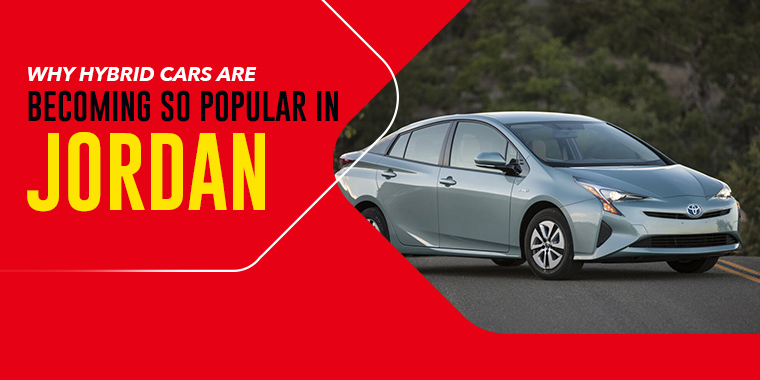
Finally, global automotive trends also play a role. As major manufacturers invest heavily in hybrid and electrified lineups, Jordan naturally follows suit. Popular models like the Toyota Prius, Corolla Hybrid, and RAV4 Hybrid have built strong reputations locally, further accelerating adoption.
High Fuel Prices and the Need to Save at the Pump
One of the strongest reasons hybrid cars are gaining popularity in Jordan is simple: fuel savings. With petrol prices constantly putting pressure on household budgets, drivers are actively seeking ways to reduce monthly expenses.
Hybrid cars excel in city driving, where frequent braking allows them to recharge their batteries and run on electric power at low speeds. As a result, fuel consumption drops significantly compared to traditional petrol cars. For commuters who drive daily in traffic-heavy areas, these savings quickly add up.
Additionally, hybrid owners often report fewer trips to the fuel station. Over time, this translates into tangible financial relief, something Jordanian buyers deeply appreciate.
Favorable Taxes and Import Policies
Government policy has also played a crucial role in boosting hybrid adoption. Historically, Jordan has applied lower customs duties and taxes on hybrid vehicles compared to conventional petrol cars with similar engine sizes.
Although regulations have evolved, hybrids still generally enjoy a cost advantage at the import stage. This makes them more accessible to middle-income buyers who want better efficiency without paying the premium of full-electric vehicles.
As a result, many buyers browsing used hybrid cars for sale find that hybrids offer excellent value for money, combining modern technology with manageable upfront costs.
Reliability and Trust in Proven Hybrid Models
Trust matters greatly in the Jordanian car market. Buyers prefer vehicles with a proven track record, readily available spare parts, and strong resale value. Fortunately, hybrid cars, especially Japanese ones, tick all these boxes.
Toyota, in particular, has built immense trust with its hybrid lineup. Models like the Prius have been on Jordanian roads for years, proving their durability even in harsh driving conditions. Because of this, buyers feel confident investing in hybrid technology.
Furthermore, local mechanics are now far more familiar with hybrid systems than they were a decade ago. This growing expertise has reduced fears around maintenance and repair costs, making hybrids feel like a safe and sensible choice.
Environmental Awareness Is Slowly Growing
While cost savings remain the primary motivator, environmental awareness is also increasingly influencing buying decisions. Jordan faces air quality challenges, especially in densely populated cities. As a result, more drivers are acknowledging the benefits of lower emissions.
Hybrid cars produce fewer emissions than traditional petrol vehicles, particularly during urban driving. Although environmental concerns alone may not drive purchasing decisions, they certainly reinforce the appeal of hybrids, especially among younger buyers.
In addition, companies and fleet operators are increasingly choosing hybrids to align with sustainability goals while simultaneously reducing operating costs.
Hybrids as a Practical Alternative to Electric Cars
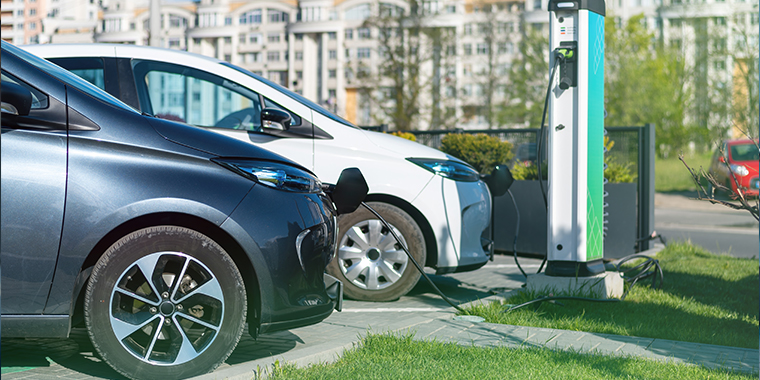
Fully electric vehicles are gaining global attention, yet in Jordan, hybrids are often seen as the more practical option. Limited charging infrastructure, long charging times, and concerns about battery range still make many buyers hesitant about going fully electric.
Hybrids, however, require no external charging. They fit seamlessly into existing driving habits while still delivering many of the benefits associated with electrification. This balance makes them particularly attractive to first-time buyers exploring alternative powertrains.
In other words, hybrids act as a comfortable transition technology, offering efficiency without lifestyle changes.
Strong Resale Value and Long-Term Ownership Benefits
Another key factor behind the popularity of hybrid cars in Jordan is resale value. Because demand is strong and supply is often limited, well-maintained hybrid vehicles tend to hold their value remarkably well.
For buyers who plan to resell their cars after a few years, this is a major advantage. Lower depreciation means less financial loss over time, further improving the overall ownership experience.
Moreover, many hybrid components, such as regenerative braking systems, experience less wear than traditional parts. This often leads to lower maintenance costs in the long run.
The Road Ahead for Hybrid Cars in Jordan
Looking forward, hybrid cars are likely to become even more common on Jordanian roads. As fuel prices remain unpredictable and urban congestion increases, efficiency will remain important. At the same time, improved awareness and wider model availability will attract new buyers each year.
Manufacturers are also expanding their hybrid offerings beyond compact sedans to include SUVs and crossovers, segments that are extremely popular in Jordan. This variety will only strengthen hybrid appeal across different buyer groups.
Ultimately, hybrid cars align perfectly with Jordan’s economic realities, driving conditions, and consumer priorities.
Final Thoughts
Hybrid cars are not a passing trend in Jordan. Rather, they represent a practical response to real challenges: high fuel costs, urban traffic, and the need for reliable long-term transportation. By offering efficiency without compromise, hybrids have earned their place in the Jordanian market.
Furthermore, as awareness grows and technology continues to improve, hybrid vehicles are set to play an even bigger role in shaping the future of mobility in Jordan, one efficient drive at a time.