In the bustling streets of Gaborone or the long, sun-drenched stretches of the A1 highway, your choice of vehicle often boils down to one critical factor: efficiency. As fuel prices in Botswana continue to fluctuate, drivers are looking toward compact hatchbacks that promise better fuel efficiency. Two of the most prominent contenders in this segment are the Honda Fit and the Mazda Demio.
Both cars have earned a stellar reputation across Southern Africa for their reliability and ease of maintenance. However, when you are browsing online for your next ride, the spec sheet can sometimes feel like a maze. Does a larger tank mean a longer range? Or does engine technology play a bigger role? In this guide, we will break down the fuel tank capacities and overall performance of these two favorites to see which one truly goes the distance.
The Core Battle: Fuel Tank Capacity and Range
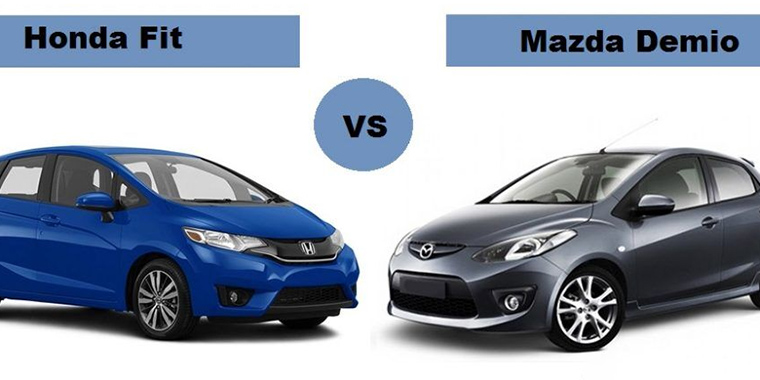
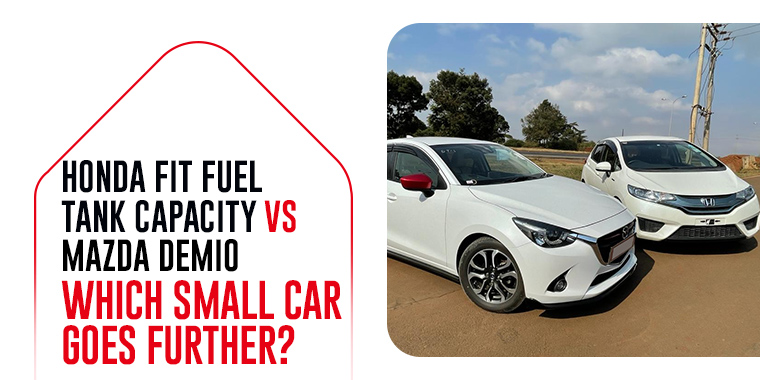
When we talk about going further, we have to start with the fuel tank capacity. The Honda Fit typically comes equipped with a 40-liter fuel tank. While this might sound modest compared to a large SUV, Honda’s engineering focuses on maximizing what that volume can do. In contrast, the Mazda Demio (often branded as the Mazda2 in newer markets) generally offers a slightly larger tank, ranging from 42 to 45 liters depending on the model year and trim.
On paper, the Mazda Demio takes the lead by holding an extra two to five liters of petrol. However, capacity is only half of the story. You must also consider fuel economy. The Honda Fit is legendary for its Earth Dreams technology and hybrid variants, which often achieve between 18 km/L and 24 km/L. Meanwhile, the Mazda Demio utilizes SkyActiv technology, which focuses on high compression ratios to extract maximum energy from every drop, usually yielding around 17 km/L to 22 km/L.
So, which one wins the range war? If you are driving a standard petrol model, the Mazda’s slightly larger tank gives it a minor edge on long-distance trips between Francistown and Maun. However, if you opt for a hybrid Fit, the superior efficiency easily overcomes the smaller tank, allowing you to bypass the filling station more often than the Mazda driver.
Exterior Design: Curb Appeal and Practicality
In Botswana, a car needs to be more than just pretty. It needs to handle the heat and the occasional dusty detour. The Honda Fit sports a monospace design, which gives it a look somewhere between a hatchback and a mini-MPV. Its large windows offer excellent visibility, a major plus when navigating tight parking spots at Game City Mall. The design is clean, functional, and prioritizes cabin volume above all else.
The Mazda Demio, on the other hand, follows Mazda’s Kodo design language. It is sleek and curvy, and it looks significantly more aggressive than the Fit. With its long hood and swept-back headlights, the Demio appeals to drivers who want their daily commuter to have a bit of sporty flair. While it looks faster standing still, the lower roofline makes it feel a bit more tucked in than the airy Honda Fit.
Interior Comfort and the Magic of Space
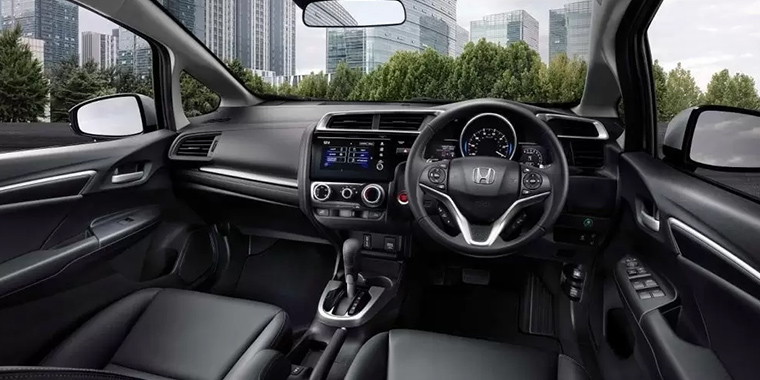
Step inside, and the differences become even more apparent. The Honda Fit is the undisputed king of interior packaging. Despite its small exterior footprint, it feels cavernous inside. The highlight here is undoubtedly the Magic Seats. These allow you to fold the rear seats completely flat or flip the cushions up. As a result, you can easily carry tall items, such as a new potted plant or a flat-screen TV. For a small family in Botswana, this versatility is a game-changer.
The Mazda Demio offers a more driver-centric cockpit. The materials often feel a step above the competition, with soft-touch plastics and a premium layout that mimics more expensive European cars. However, it lacks the sheer volume of the Fit. The rear seats are a bit tighter, and the boot space, while adequate for groceries, won’t compete with the Fit's ability to swallow bulky luggage. If you value a premium cockpit feel, choose the Mazda. However, if you need to haul gear and people, the Honda Fit is your best bet.
Engine Performance and Driving Dynamics
Under the hood, both cars typically utilize 1.3L or 1.5L four-cylinder engines. The Honda Fit provides a smooth, linear power delivery, often paired with a CVT (Continuously Variable Transmission) that keeps the engine in its most efficient power band. It feels zippy around town and maintains highway speeds with surprising ease. It isn't a racecar, but it never feels underpowered for its size.
The Mazda Demio is built for those who actually enjoy driving. Mazda engineers prioritize what they call “Jinba Ittai”, which is the feeling of the driver and car being one. The steering is sharper, the suspension is a bit firmer, and the 6-speed automatic (found in many models) offers a more traditional, mechanical feel compared to Honda’s CVT. So, if your daily commute involves winding roads, the Demio will likely put a bigger smile on your face.
Safety and Technology Features
Safety is a top priority for any car buyer today. Modern versions of the Honda Fit come with the Honda Sensing suite, which includes lane-keeping assist, adaptive cruise control, and emergency braking. Even older models imported to Botswana usually feature multiple airbags and ABS as standard. Honda’s G-CON technology also ensures that the body structure absorbs impact energy effectively, protecting occupants.
The Mazda Demio is equally impressive, often featuring Mazda’s i-Activsense safety tech. You will find blind-spot monitoring and rear cross-traffic alerts in many higher-grade trims. Both cars consistently earn high marks in global crash tests. On the tech front, newer models of both cars offer touchscreen infotainment systems with Apple CarPlay and Android Auto. Mazda’s system uses a rotary controller, which many find less distracting while driving, whereas Honda leans into a more traditional touch-interface approach.
The Verdict: Which One Should You Buy?
All in all, choosing between these two comes down to your lifestyle and what you value most in a vehicle.
Choose the Honda Fit if: You prioritize maximum interior space, legendary fuel efficiency, and a car that can adapt to almost any cargo need. It is the ultimate practical tool for the modern Botswana resident.
Choose the Mazda Demio if: You want a car that feels premium, looks sporty, and offers a more engaging driving experience. It’s perfect for the professional who wants style without sacrificing the benefits of a compact car.
Ultimately, while the Mazda Demio has a slightly larger fuel tank capacity, the Honda Fit often matches or exceeds its range through sheer efficiency. Ultimately, whichever vehicle you choose, you are getting one of the best small cars on the market today. So just make sure you do your due diligence and buy the car that best meets your needs. Happy car hunting!