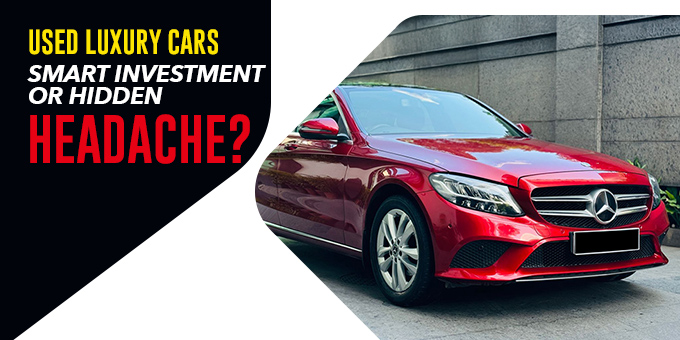
There’s a unique allure to luxury cars - sleek lines, cutting-edge tech, plush interiors, and that undeniable sense of prestige when you’re behind the wheel. But when it comes to ownership, many potential buyers hesitate at the steep price tag of a new model. Naturally, the next thought is: Why not buy used? After all, depreciation can turn a once six-figure vehicle into something surprisingly affordable.
However, the question remains: is buying a used luxury car a smart investment or a hidden headache? In this blog, we’ll dive deep into this debate. From cost benefits and performance perks to maintenance nightmares and hidden costs, we’ll help you make a well-informed decision.
The Appeal of Used Luxury Cars
Prestige at a Fraction of the Price
Without a doubt, one of the biggest reasons people consider second-hand luxury cars is the price. New luxury cars depreciate rapidly, losing as much as 40% to 60% of their value within the first five years. That means a BMW 7 Series, which costs $100,000 brand-new, could be yours for under $40,000 just a few years later.
For many, this presents an exciting opportunity. You get access to top-tier performance, craftsmanship, and technology for the price of a new mid-range sedan. And while these cars may not have that fresh-off-the-lot smell, they often retain the opulence that makes them feel special.
The Hidden Costs Behind the Sticker Price
Maintenance and Repairs: The Deal-Breaker?
Here’s where the dream can start to unravel. Luxury cars are engineered to high standards, which often means higher maintenance costs and more expensive repairs. Even simple tasks, such as oil changes, brake replacements, or electronic diagnostics, can cost significantly more with aftermarket brands.
In addition, many used luxury cars are out of warranty. Without extended coverage, you could find yourself shelling out thousands for repairs. German brands like Audi, BMW, and Mercedes-Benz, while incredible to drive, are infamous for their complex systems, which are costly to repair.
Pro tip: Always check if the car has a comprehensive service history and whether parts are readily available in your region.
Depreciation: Friend or Foe?
When Buying Cheap Isn’t Always a Bargain
Depreciation works in your favor when buying used - but only to a point. If you plan to sell the car down the road, it’s essential to recognize that luxury vehicles tend to continue depreciating, especially models with higher mileage or outdated tech.
Moreover, buyers often overlook the importance of resale demand. A seven-year-old luxury car may still drive beautifully, but its appeal to future buyers might be limited. If your goal is to retain value, some models hold their worth better than others. Lexus, Acura, and Porsche are known for stronger resale values compared to others in the luxury category.
Technology and Features: Double-Edged Sword
Outdated Tech vs. Premium Comfort
Luxury cars often feature cutting-edge technology. When new, this is a major perk. However, in a used car, that same tech can become a liability. Navigation systems may feel clunky, infotainment units may lack smartphone integration, and outdated driver-assist features could fall short of newer safety standards.
That said, you still benefit from advanced features like heated and ventilated seats, adaptive cruise control, premium sound systems, and high-quality interior materials—all of which remain enjoyable even years later.
In short, while some tech may age poorly, the overall comfort and convenience of a luxury car still usually outperform a similarly priced non-luxury vehicle.
Insurance and Taxes: Another Layer of Expense
It’s Not Just About the Purchase Price
Buying a used luxury car may cost less upfront, but the ongoing expenses can add up. Insurance premiums are typically higher, especially for brands with high theft rates or expensive repair bills.
Additionally, depending on where you live, registration fees and taxes may still be calculated based on the vehicle’s original MSRP, not its current market value. Be sure to check local regulations before committing to a purchase.
Reliability: Varies Wildly by Brand and Model
Not All Luxury Cars Are Created Equal
One of the biggest misconceptions is that luxury automatically equals reliability. This couldn’t be further from the truth. In fact, some of the most luxurious vehicles are also the most troublesome.
According to various reliability studies and owner reviews, brands like Lexus, Acura, and Genesis tend to rank higher in dependability, whereas Land Rover, Jaguar, and Alfa Romeo often struggle with reliability issues.
That’s why it’s crucial to research specific models, not just brands. Forums, owner reviews, and long-term reliability tests can offer valuable insights that go beyond surface-level appeal.
Certified Pre-Owned (CPO): A Safer Bet?
Peace of Mind with a Warranty
If you’re leaning toward a used luxury vehicle, consider going the Certified Pre-Owned (CPO) route. These cars are typically newer, have lower mileage, and undergo rigorous inspections by the manufacturer. Best of all, they often come with an extended factory warranty, which can protect you from surprise repair bills.
While CPO vehicles do cost more than non-certified used ones, the extra investment might save you money in the long run and reduce your stress level significantly.
Ownership Experience: Luxury Beyond the Wheel
More Than Just Driving
Owning a luxury car isn’t just about transportation; and it’s about the experience. From the feel of the materials to the quiet ride and personalized settings, these vehicles offer a level of refinement that’s hard to match.
However, ownership also means dealing with more sensitive electronics, higher repair standards, and fewer independent mechanics qualified to handle your vehicle. It’s important to evaluate whether you’re prepared for the level of care required.
Is It Worth It? Key Questions to Ask Yourself
To determine whether a used luxury car is a smart investment or a hidden headache, ask yourself:
- What’s my budget for ongoing maintenance and repairs?
- Am I buying this car for status, enjoyment, or practicality?
- How long do I plan to keep it?
- Is the vehicle still under warranty, or can I afford extended coverage?
- Have I researched this specific model’s reliability and ownership costs?
- What are the insurance and registration costs in my region?
- Is there a qualified mechanic nearby who can work on this car?
- Does the car have a complete service history and clean title?
Answering these honestly will help you navigate the trade-offs.
Final Verdict: Smart Investment or Hidden Headache?
So, what’s the answer?
A used luxury car can absolutely be a smart investment if you go in with an open mind. With proper research, a realistic budget for maintenance, and a willingness to compromise on the latest tech, you can enjoy a high-end driving experience for a fraction of the cost.
On the flip side, if you’re reason is purely due to the price tag, and you overlook the potential for expensive upkeep, that “dream deal” could turn into a financial nightmare.
In the end, it’s all about balance. Choose wisely, and a used luxury car can reward you with comfort, style, and performance without breaking the bank.