In the concrete jungles of modern cities, where space is limited and traffic is often a daily ordeal, owning a car can feel more like a burden than a convenience. Yet, there’s a vehicle segment that was practically built for city life Japanese Kei cars. These micro marvels, often found among used cars from Japan, have carved out a niche that perfectly aligns with the demands of urban living. But what makes them so ideally suited for city roads?
Let’s dive into the fascinating world of Kei cars vehicles that may be small in size but are big on benefits.
What Are Kei Cars? A Quick Overview
Before we get into the why, let’s quickly define the what.
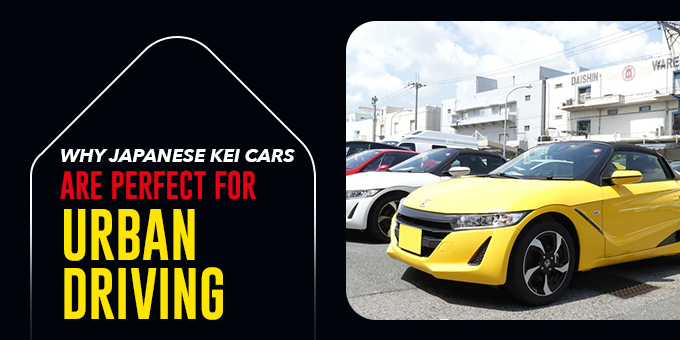
Kei cars, or “Keijidōsha” in Japanese, are a unique category of ultra-compact vehicles regulated by Japan’s government. First introduced in the aftermath of World War II, these cars were designed to be affordable, fuel-efficient, and practical for the average citizen. By law, Kei cars must meet specific regulations:
- Engine size no larger than 660cc
- Vehicle length under 3.4 meters
- Width under 1.48 meters
- Height under 2 meters
These dimensions might sound restrictive, but Japanese engineers have worked wonders within them, creating a wide variety of models—from boxy mini-vans to sporty hatchbacks and even micro-SUVs.
Nimble and Compact: Maneuverability Like No Other
Let’s face it: urban driving often involves squeezing into tight parking spots, navigating congested roads, and making sharp turns in narrow alleyways. This is where Kei cars shine.
Their compact footprint allows drivers to easily:
- Slip into tight parallel parking spaces
- Weave through traffic with agility
- Execute U-turns with a tiny turning radius
In places like Tokyo, Osaka, or even in busy cities like Nairobi and Bangkok, where every square meter counts, driving a Kei car means less stress and more control. It’s not just about getting from point A to B—it’s about doing it smoothly, quickly, and with fewer headaches.
Fuel Efficiency: A Big Win for Your Wallet
Another standout feature of Kei cars is their incredible fuel efficiency. Thanks to their small engines and lightweight builds, many Kei cars can achieve up to 20–30 km/l. That’s not just good—it’s exceptional.
In urban settings, where stop-and-go traffic is the norm, a fuel-efficient vehicle helps:
- Reduce fuel costs dramatically
- Lower your carbon footprint
- Decrease the frequency of trips to the pump
Moreover, with global fuel prices continuing to fluctuate, Kei cars offer a reliable and affordable solution for budget-conscious drivers. You get more miles for your money, which is crucial when navigating the financial demands of city life.
Easy Parking: Say Goodbye to Endless Circling
If you’ve ever circled a block for 20 minutes trying to find a parking spot, you’ll appreciate this: Kei cars can fit in places most other cars simply can’t. Because they’re so small, they:
- Require significantly less parking space
- Can often utilize motorcycle or compact-only parking zones
- It is easier to park in tight residential or apartment garages
And here’s a bonus: in Japan, you need to show proof of parking to own a car—but Kei cars are sometimes exempt from this rule in certain regions due to their small size. That alone makes them a winner in crowded cities.
Lower Costs Across the Board
Owning a car in the city can be costly. Insurance, registration, maintenance—it all adds up quickly. Kei cars, however, are built with affordability in mind.
Here’s how they help you save:
Lower purchase price: Most Kei cars are significantly cheaper than full-size sedans or SUVs.
Reduced taxes and fees: Japan’s tax system favors small vehicles, and many other countries offer incentives or lower import duties for sub-compact cars.
Cheaper insurance premiums: Due to their lower engine capacities and safer driving profiles, Kei cars often fall into the lowest insurance brackets.
Minimal maintenance costs: Small engines mean fewer components to maintain, and parts are usually widely available and inexpensive.
All of these factors make Kei cars a practical choice, especially for young professionals, students, and small families living in the city.
Surprising Space: Don’t Let the Size Fool You
At first glance, you might assume a Kei car is cramped and uncomfortable. But step inside, and you’ll likely be surprised. Many models feature:
- Smart interior layouts with high roofs and flat floors
- Flexible seating arrangements, including fold-flat rear seats
- Ample headroom and legroom for front and rear passengers
Japanese car manufacturers have mastered the art of maximizing space in minimal footprints. Models like the Honda N-Box or Suzuki Spacia feel roomier than their measurements suggest, and many even offer sliding doors for added convenience, perfect for tight parking garages.
Ideal for Short Commutes and Errands
Urban dwellers don’t usually drive long distances daily. Instead, they run errands, commute short distances, or visit nearby cafes and offices. Kei cars are tailor-made for this routine.
They’re perfect for:
- Quick grocery runs
- School drop-offs and pickups
- Navigating dense traffic during peak hours
- Deliveries or gig work, thanks to low fuel and maintenance costs
In essence, Kei cars fit seamlessly into the rhythm of city life, saving you time, money, and energy every step of the way.
Eco-Friendly by Design
Now more than ever, cities are pushing for cleaner air and reduced emissions. Kei cars, by virtue of their small engines and fuel-efficient designs, produce significantly fewer emissions compared to traditional vehicles.
In fact, many new Kei car models:
- Meet or exceed Japan’s strict emission standards
- Use eco-idling and hybrid technologies
- Contribute to reducing urban air pollution
If you're eco-conscious or live in a city with environmental regulations, driving a Kei car aligns perfectly with sustainable urban mobility goals.
Increasing Popularity in Global Markets
While Kei cars were once limited to Japan, their popularity is growing worldwide. Countries like Sri Lanka, Pakistan, Tanzania, and even some regions of Europe are seeing a rise in Kei car imports, thanks to:
- Their low-cost and high value
- Suitability for narrow roads and urban centers
- Easy maintenance and wide parts availability
Moreover, used Japanese Kei cars are often well-maintained and exported in excellent condition, making them an attractive choice for cost-conscious international buyers.
Style Meets Innovation
Finally, let’s not forget the fun side of owning a Kei car. Despite their size, these cars come with:
- Sleek and modern exteriors
- Tech-savvy dashboards with touchscreens and Bluetooth
- Advanced safety features like collision mitigation and lane assist
- Quirky, charming designs that stand out in traffic
Whether you’re into minimalist aesthetics or bold colors, there’s a Kei car to match your personality. Brands like Daihatsu, Suzuki, and Honda continue to innovate, releasing models that look great while remaining practical.
Final Thoughts: The Smart Urban Choice
To sum it all up, Japanese Kei cars offer an unbeatable mix of efficiency, affordability, and practicality, all wrapped in a compact yet surprisingly spacious package. They solve the biggest challenges of urban driving—tight roads, limited parking, fuel costs, and environmental impact—without compromising on comfort or style.
In a world where cities are growing and space is shrinking, choosing a Kei car isn’t just smart—it’s forward-thinking. Whether you're a student, a busy professional, or simply someone tired of wrestling with big vehicles in a small city, a Kei car might be your perfect driving companion. If you’re thinking about switching to a Kei car, you can explore your options on our website and also take a look at Top 5 Japanese Hybrid Cars With Best Resale Value in Tanzania to discover more great vehicle choices.