Choosing a premium SUV in South Africa today is a far cry from the simple bakkie-based decisions of the past. Nowadays, local buyers are looking for a sophisticated blend of urban elegance and long-distance capability. However, because the market has become so competitive, two names often rise to the top of the shortlist: the sleek, hybrid-focused Toyota Harrier and the commanding, American-bred Ford Explorer.
While both vehicles sit in the premium bracket, they cater to very different personalities. If you are browsing online, trying to decide which of these heavyweights deserves a spot in your driveway, you’ve likely realized that specs alone don't tell the whole story. Consequently, we’ve put together this deep dive to help you navigate the nuances of these two icons. Thus, ensuring your next big purchase feels like the right fit for your lifestyle.
Engine Capacity and Performance: Efficiency vs. Raw Power
When it comes to what’s under the hood, these two SUVs couldn't be more distinct. The 2024 Toyota Harrier is a masterclass in modern efficiency. In South Africa, where fuel prices are a constant conversation starter, the Harrier’s 2.5-liter Dynamic Force hybrid engine is its ace in the hole. Because it utilizes Toyota’s world-renowned Hybrid Synergy Drive, you get a combined power output of roughly 160kW. While it won't win many drag races, the seamless transition between electric and petrol power makes it an incredibly smooth companion for the stop-and-start traffic of Sandton or Cape Town.
On the other hand, the Ford Explorer brings a bigger is better philosophy to the table. The 2024 model typically features the 2.3-liter EcoBoost engine producing a robust 224 kW, or the monstrous 3.0-liter V6 EcoBoost for those who want serious towing capacity. However, since the Explorer is built with a more rugged pedigree, it feels significantly punchier than the Harrier. If your weekends involve towing a boat to the Vaal Dam or a caravan to the coast, the Ford’s raw torque will likely be the deciding factor for you.
Exterior Design: Sophisticated Curves vs. Athletic Presence
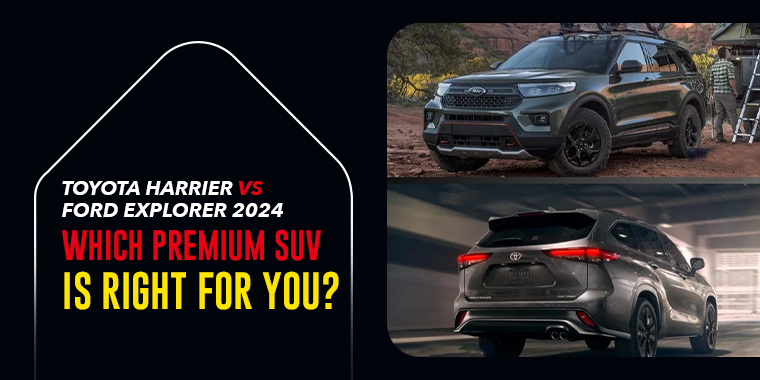
Visually, the Toyota Harrier is often described as Lexus-lite, and for good reason. It features a coupe-like silhouette with a sloping roofline and a sharp, continuous LED light bar across the rear. Because the design is so focused on aerodynamics and fluid aesthetics, it looks perfectly at home in a high-end corporate parking lot. It is a car for the buyer who prefers understated elegance over aggressive posturing.
In contrast, the Ford Explorer is unapologetically bold. It boasts an athletic stance, a massive front grille, and squared-off shoulders that demand attention. While the Harrier tries to slice through the wind, the Explorer looks like it wants to move the wind out of its way. Furthermore, the 2024 Explorer's LED lighting signature and quad-chrome exhaust tips on higher trims give it a sporty vibe. This resonates with South Africans' love of adventure.
Interior Comfort and Space: A Tale of Two Cabins
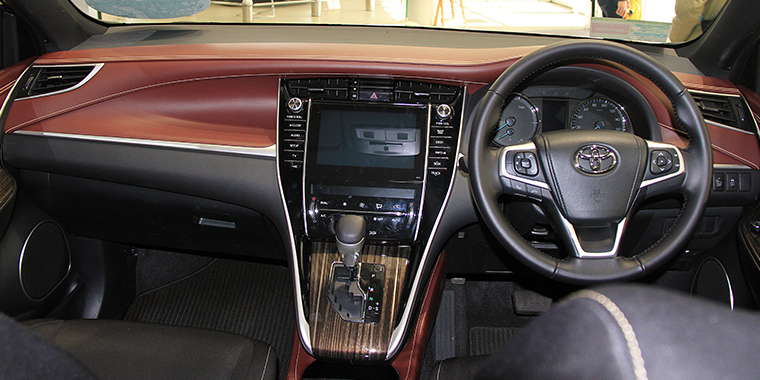
Step inside the Harrier, and you will find the cabin to be deeply intentional. Toyota has used high-quality, soft-touch materials and synthetic leather that rival those of much more expensive European brands. However, it is important to note that the Harrier is strictly a five-seater. Because of its focus on luxury for the driver and front passenger, the rear legroom is generous. But the sloping roof can slightly impede headroom for taller passengers.
The Ford Explorer, meanwhile, is the undisputed king of versatility. As a three-row SUV, it can seat up to seven people, making it the superior choice for larger families. Although the interior materials are durable and well-fitted, the focus here is on lifestyle rather than lounge. You get clever storage bins, multiple USB ports, and a massive cargo area when you fold the third row flat. Consequently, if your life involves school runs and weekend gear, the Explorer’s sheer volume is hard to beat.
Technology and Infotainment: Modern vs. Massive
In the tech department, both vehicles are well-equipped, but they follow different philosophies. The Harrier features an intuitive 12.3-inch touchscreen and a digital rear-view mirror that uses a camera to show you what’s behind the car, even if the boot is packed to the roof. Since Toyota has finally mastered smartphone integration, Apple CarPlay and Android Auto work seamlessly, often wirelessly.
Ford, however, takes the tech-forward approach even further with its SYNC 4 system. The Explorer’s vertical tablet-style infotainment screen is a standout feature that feels very future-forward. Additionally, Ford’s Co-Pilot360 technology offers a suite of connected services. It lets you start your car or check your fuel level via your smartphone. Because the Explorer aims to be a mobile hub, it often feels a bit more gadget-heavy than the Toyota's more traditional, Zen-like cabin.
Safety Features: Peace of Mind on SA Roads
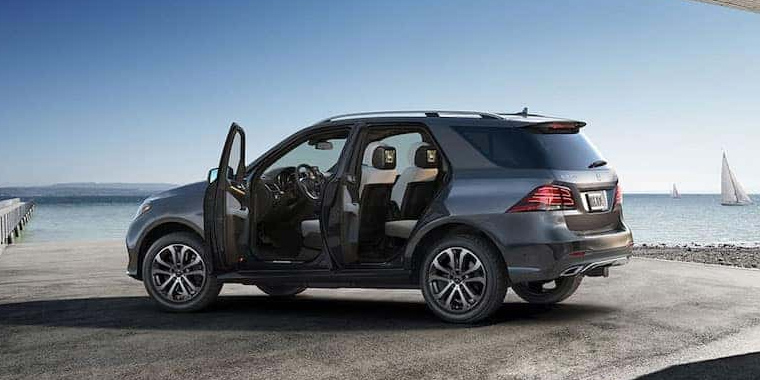
Safety is a non-negotiable for South African buyers, especially given the demanding road conditions. The Toyota Harrier comes standard with Toyota Safety Sense. It includes a Pre-Collision System, Lane Tracing Assist, and Dynamic Radar Cruise Control. All in all, these systems are calibrated to be helpful rather than intrusive. Therefore, they provide a layer of security that feels very natural during long hauls on the N1.
The Ford Explorer counters with an equally impressive safety suite. Its Blind Spot Information System (BLIS) is particularly helpful given the vehicle’s large size, and its Post-Crash Alert System provides extra peace of mind. Furthermore, the Explorer’s heavy-duty chassis and advanced airbag coverage (including knee airbags) make it one of the sturdiest vehicles in its class. While both have five-star safety aspirations, the Explorer’s sheer mass and Active Park Assist make it feel slightly more prepared for the chaos of urban maneuvering.
What to Consider Before Buying an SUV
When shopping online, it’s easy to focus on looks, but practicalities matter more on South African roads. Here is what to keep in mind:
Total Ownership Costs: Beyond the monthly payment, consider insurance and maintenance. High-end SUVs often require larger, more expensive tires and specialized parts that can impact your long-term budget.
The Depreciation Curve: Vehicles typically depreciate most in their first three years. Consequently, buying a slightly used model can save you thousands while still offering modern features and safety.
Service History: Always verify a full service history. For premium models like the Harrier or Explorer, missing a scheduled service can void warranties and lead to costly mechanical issues later on.
Practical Ground Clearance: While most SUVs look rugged, ensure the clearance matches your lifestyle. If you frequent gravel roads or national parks, the height of an Explorer is a must. For city driving, a lower profile like the Harrier is more aerodynamic and stable.
The Verdict: Which One Should You Buy?
Ultimately, the choice between the Toyota Harrier and the Ford Explorer 2024 comes down to your personal priorities. If you value fuel economy, superior aesthetics, and a quiet, hybrid-smooth ride, the Toyota Harrier is a brilliant choice for the cultured urbanite. It’s a vehicle that says you’ve arrived, but you don’t need to shout about it.
Conversely, if you need a do-it-all machine that can carry the whole family, tow a trailer, and dominate the road with its presence, the Ford Explorer is the clear winner. While you will spend more at the fuel pump, the trade-off is a level of utility and power that the Harrier simply can’t match. Both are exceptional examples of modern engineering. You just need to decide whether you’re looking for a sanctuary on wheels or a powerhouse for your next adventure.
All in all, the question remains: Do you prioritize daily fuel savings in the city, or do you need the extra seats and towing power for family getaways?