Walk through any busy street in Lagos, Abuja, Port Harcourt, or Ibadan, and one thing becomes immediately clear: Toyota cars are everywhere. From rugged Hilux pickups to reliable Corolla sedans and family-friendly Hiace buses, Toyota has firmly planted itself as Nigeria’s most trusted automotive brand.
However, this dominance didn’t happen overnight. Instead, it is the result of years of consistency, trust, and alignment with Nigerian driving realities. While many global automakers compete for attention, Toyota continues to stand out for practical reasons that resonate deeply with everyday Nigerian drivers.
This article explores the Nigerian car market in depth and explores why Toyota cars continue to dominate it, year after year. So, let’s begin.
Understanding the Nigerian Automotive Market
Nigeria has one of the largest automotive markets in Africa, driven by a growing population, urban expansion, and a strong demand for affordable mobility. However, unlike developed markets, Nigeria relies heavily on imported used vehicles, especially from Japan.
Moreover, Nigerian buyers are highly practical. They prioritize durability over luxury, long-term costs over initial appeal, and ease of maintenance over advanced technology. Road conditions vary widely, fuel prices fluctuate, and professional servicing can be inconsistent outside major cities.
As a result, the ideal car in Nigeria must be tough, reliable, easy to fix, and economical to run. Toyota, more than any other brand, checks all these boxes. Let’s find out more below.
Proven Reliability on Nigerian Roads
Reliability is, without question, Toyota’s strongest advantage in Nigeria. Nigerian roads can be unforgiving, with potholes, flooding during rainy seasons, and inconsistent road maintenance. Consequently, vehicles that cannot handle stress tend to fail quickly.

Toyota engines and suspensions are known for their resilience. Models like the Corolla, Camry, Hilux, and Land Cruiser are built to last, even when servicing schedules are not perfect. While no car is indestructible, Toyotas tend to tolerate harsh use better than most competitors.
Additionally, Toyota’s conservative engineering philosophy plays a role. Instead of experimenting aggressively, the brand focuses on proven technology. This approach results in fewer unexpected breakdowns and a longer vehicle lifespan, qualities Nigerian drivers value deeply.
Unmatched Spare Parts Availability
Another major reason Toyota dominates the Nigerian market is the sheer availability of spare parts. Whether you are on Lagos Island or a smaller town in Osun State, Toyota parts are easy to find.
This accessibility comes from decades of Toyota vehicles being imported into Nigeria. Over time, a vast ecosystem of parts dealers, mechanics, and suppliers has developed around the brand. As a result, repairs are faster, cheaper, and less stressful.
Furthermore, Toyota parts are available in multiple options. Buyers can choose between genuine parts, high-quality aftermarket alternatives, or even locally sourced components. This flexibility allows car owners to manage maintenance costs within their budgets.
In contrast, maintaining less common brands often involves long waits, expensive imports, or specialized mechanics, challenges many Nigerian drivers prefer to avoid.
Strong Resale Value and Market Trust
In Nigeria, cars are not just means of transportation; they are financial assets. Many buyers consider resale value before making a purchase. On this front, Toyota performs exceptionally well.
Toyota cars retain their value better than most brands in the Nigerian used-car market. A well-maintained Toyota can be resold quickly, often at a strong price. This is because buyers trust the brand and associate it with longevity.
Moreover, Toyota’s popularity creates high demand. When a car is easy to sell, buyers feel more confident investing in it. This cycle reinforces Toyota’s dominance, as new buyers naturally gravitate toward a brand with proven resale strength.
Simply put, owning a Toyota in Nigeria feels like a safer financial decision.
Affordable Maintenance and Running Costs
Beyond purchase price, Nigerian drivers pay close attention to long-term ownership costs. Fuel consumption, routine servicing, and repairs all matter. Fortunately, Toyota performs well in all these areas.
Most Toyota models are fuel-efficient, especially popular choices like the Corolla, Yaris, and Prius. Given fluctuating fuel prices, efficiency is not a luxury—it is a necessity.
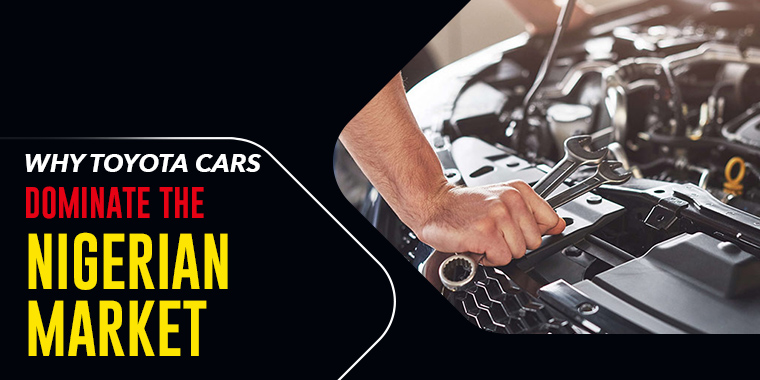
Additionally, Toyota vehicles are mechanically straightforward. Many local mechanics are familiar with their systems, which reduces labor costs. Since fewer specialized tools are required, servicing is also more affordable.
Over time, these savings add up. For families, ride-hailing drivers, and business owners, Toyota becomes the sensible choice.
Wide Model Range for Every Need
Toyota’s lineup is another key factor behind its success in Nigeria. The brand offers vehicles for nearly every use case.
For individuals and families, models like the Corolla, Camry, and RAV4 provide comfort and efficiency. For commercial use, the Hiace bus dominates public transportation and logistics. Meanwhile, the Hilux and Land Cruiser serve farmers, construction firms, and oil-sector professionals who need serious durability.
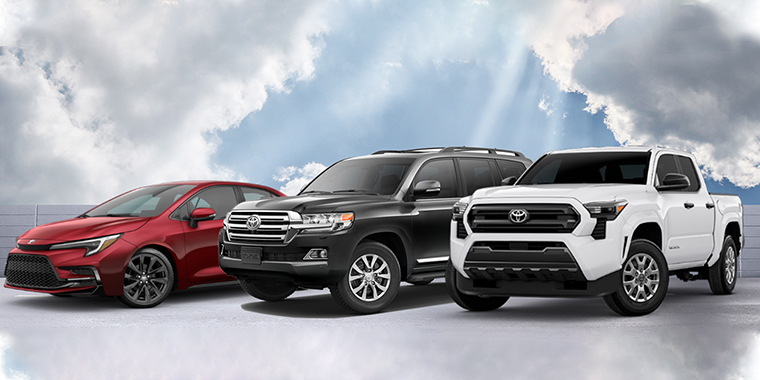
Because Toyota caters to multiple segments, it maintains a strong presence across private, commercial, and government fleets. This visibility reinforces brand familiarity and trust nationwide.
Compatibility with Used Japanese Imports
Nigeria imports a large number of used cars from Japan, and Toyota dominates Japanese export markets. As a result, Nigerian buyers have access to a steady supply of affordable, well-maintained Toyota vehicles.
Japanese domestic market (JDM) Toyotas are known for good upkeep and relatively low mileage. When combined with Toyota’s inherent reliability, these imports perform well even after years of use in Nigeria.
Furthermore, documentation, parts compatibility, and mechanical knowledge are already established for these imports. This makes ownership smoother compared to lesser-known imported brands.
Strong Brand Reputation and Cultural Acceptance
Brand perception matters, and Toyota enjoys immense goodwill in Nigeria. Over the years, it has built a reputation for honesty, durability, and value. For many Nigerians, Toyota represents “peace of mind.”
Parents recommend it to their children. Business owners trust it for daily operations. Even first-time car buyers often hear the same advice: “Buy a Toyota.”
This cultural acceptance creates a powerful advantage. When a brand becomes the default choice, competitors must work twice as hard to break through.
Government and Corporate Fleet Adoption
Toyota’s dominance is also reinforced by its widespread use in government and corporate fleets. Many public agencies and large organizations rely on Toyota vehicles due to their reliability and low downtime.
When people consistently see Toyotas used for official purposes, it strengthens public confidence. The message is subtle but effective: if it works for demanding professional use, it will work for personal ownership too.
Conclusion: A Perfect Match for Nigerian Realities
Toyota’s dominance in the Nigerian market is not accidental. It is the result of decades of consistency, smart engineering, and alignment with local needs.
From reliability and spare parts availability to strong resale value and affordable maintenance, Toyota offers what Nigerian drivers genuinely care about. While other brands may excel in design or technology, Toyota excels where it matters most: real-world ownership.
Therefore, as long as Nigerian buyers continue to prioritize durability, cost-effectiveness, and peace of mind, used Toyota models for sale will remain at the top of the market, not just as a car brand, but as a trusted companion on Nigerian roads.