In recent years, Sri Lanka has witnessed a remarkable surge in the demand for Japanese used cars. From bustling Colombo streets to rural village roads, more and more Sri Lankans are opting for reliable and fuel-efficient vehicles shipped directly from Japan. But what’s driving this sudden boom? And why are Japanese cars winning the hearts of Sri Lankan drivers?
Let’s take a look at the key factors behind this trend. Additionally it will help us understand why Sri Lanka is rapidly becoming a top hotspot for Japanese car imports.
A Strong Cultural Preference for Japanese Brands
A History of Trust
For decades, Japanese automakers like Toyota, Honda, Nissan, Suzuki, and Mitsubishi have enjoyed unwavering trust in Sri Lanka. Many Sri Lankan families have fond memories of their first Corolla or Civic, vehicles known for their long lifespan, minimal maintenance, and excellent resale value.
Moreover, Japan’s reputation for precision engineering and durability has only strengthened this cultural affinity, making Japanese cars for sale in Sri Lanka highly sought after. In fact, most Sri Lankan buyers believe Japanese cars are better suited for the island's climate, road conditions, and driving habits than alternatives from Europe or the US.
Compact Cars for Congested Cities
Urban centers like Colombo and Kandy are notorious for traffic congestion and narrow streets. Consequently, Sri Lankans prefer compact cars that are easy to maneuver and park. Japanese models like the Toyota Vitz, Honda Fit, and Suzuki Alto are extremely popular due to their compact dimensions and excellent fuel efficiency.
Economic Factors Encouraging Imports
Cost Savings Compared to New Cars
One of the biggest motivators for Sri Lankan consumers is cost. New vehicles purchased locally often come with high price tags due to import duties, dealer markups, and registration fees. By contrast, importing a used Japanese car, especially one that is under three years old, can cost significantly less, even after accounting for shipping and customs fees.
In addition, Japan’s strict vehicle inspection system (known as “Shaken”) encourages car owners to sell their cars earlier, often while the vehicles are still in excellent condition. As a result, Sri Lankan importers gain access to lightly-used vehicles at a fraction of the cost of a new one.
Flexible Import Policies for Used Vehicles
Although the Sri Lankan government has introduced various regulations to manage vehicle imports, the country still permits the importation of used vehicles within certain age limits. These policies aim to balance economic growth with environmental and infrastructure considerations.
Despite occasional restrictions or changes in taxation, the import window remains wide enough to allow a healthy flow of used cars from Japan. This policy flexibility makes Sri Lanka an ideal market for Japanese exporters.
Online Auctions and Dealer Networks Simplify the Process
Access to Japanese Car Auctions
Thanks to modern technology, Sri Lankan buyers can now participate in Japanese car auctions online. These platforms allow individuals and importers to bid on vehicles directly from Japanese auction houses, ensuring competitive prices and transparent vehicle histories.

Japanese auctions typically include detailed inspection reports, photographs, and grading systems that provide buyers with peace of mind. Thus, buyers in Sri Lanka can confidently select well-maintained, accident-free vehicles without setting foot in Japan.
Support from Local Import Agents
Another major reason behind the rising imports is the growing number of import agents and used car dealers in Sri Lanka. These professionals help individuals navigate the complex paperwork, shipping, customs, and registration processes.
With their assistance, even first-time buyers can smoothly import a car from Japan, often within 4–6 weeks. In addition, many agents offer warranty and after-sales support, making the process even more attractive to the average consumer.
Diverse Selection of Vehicles
Fuel-Efficient Hybrids and Kei Cars
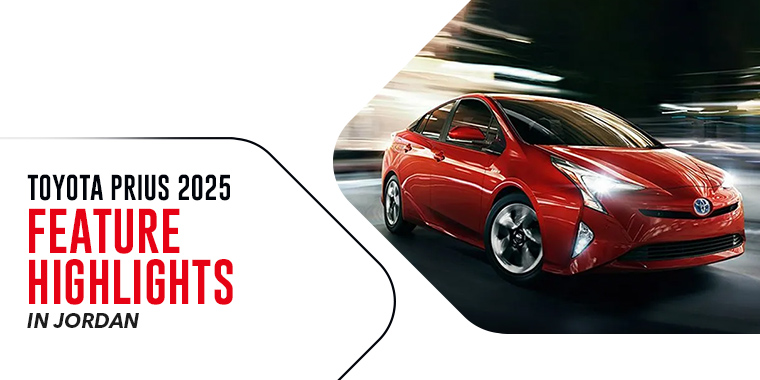
Sri Lankan drivers are increasingly opting for fuel-efficient vehicles due to rising fuel costs. Japanese hybrids such as the Toyota Aqua, Prius, and Honda Insight are popular choices that combine performance with low fuel consumption.
In addition, Japan's famous kei cars (lightweight, compact vehicles like the Suzuki Wagon R and Daihatsu Move) are becoming best-sellers. These cars are perfect for city driving, consume very little fuel, and fall under favorable tax brackets in Sri Lanka.
SUVs and Vans for Family and Business Use
Beyond small cars, Sri Lankan buyers are also importing SUVs like the Toyota Land Cruiser Prado, Nissan X-Trail, and Mitsubishi Outlander. These vehicles are suitable for both family driving and rural road conditions.
Furthermore, Japanese vans such as the Toyota HiAce and Nissan Caravan serve various commercial needs. They can be used for school transport or cargo delivery, making Japanese SUVs for sale highly sought after by small businesses.
High Standards of Vehicle Quality
Rigorous Inspection and Maintenance in Japan
Japanese vehicles are known for being in excellent condition even after several years of use. This is largely due to Japan's vehicle inspection system, which requires owners to maintain their cars in top shape or face hefty penalties.
Additionally, Japanese drivers typically follow routine maintenance schedules strictly. This means that most used vehicles being exported to Sri Lanka come with complete service histories, clean interiors, and minimal mechanical issues.
Advanced Safety and Technology Features
Many used Japanese vehicles come equipped with advanced safety features, even on older models. Features such as ABS, traction control, reverse cameras, lane departure warning, and keyless entry are commonly found in Japanese exports, giving Sri Lankan buyers better value for money.
A Boost for the Local Automotive Industry
Job Creation and Entrepreneurial Opportunities
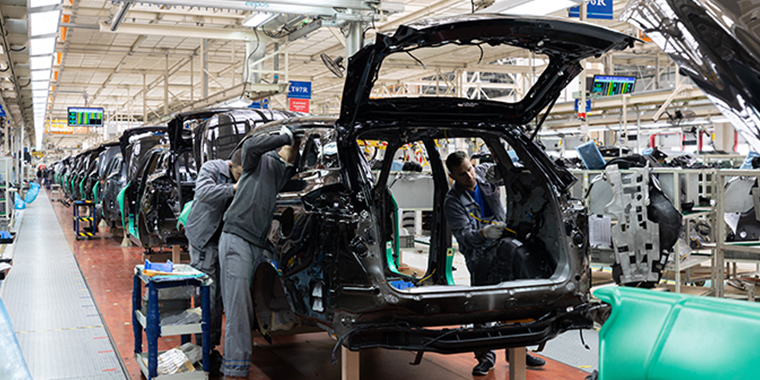
The rise in Japanese car imports has created a ripple effect in Sri Lanka’s local economy. More people are now employed in vehicle clearing, documentation services, car transport, maintenance, and resale. Moreover, many young entrepreneurs are also entering the used car dealership business, capitalizing on the high demand for Japanese vehicles.
Aftermarket and Spare Parts Growth
With the influx of Japanese cars, there has also been a boom in the aftermarket sector. Spare parts for brands such as Toyota, Honda, and Nissan are now widely available, affordable, and easily accessible. This, in turn, makes ownership easier and further increases buyer confidence.
Environmental Considerations and the Move Toward Hybrid Vehicles
Importing Cleaner, Greener Vehicles
As environmental awareness grows globally, Sri Lanka is also making strides toward greener mobility. Fortunately, Japan leads in hybrid and electric vehicle technology.
Hybrid vehicles such as the Toyota Prius and Aqua not only reduce fuel costs but also help lower the carbon footprint. Since Japanese vehicles are generally more fuel-efficient and produce fewer emissions, they align well with Sri Lanka’s eco-friendly transportation goals.
Future Outlook: Will the Trend Continue?
Looking ahead, the trend of importing Japanese vehicles to Sri Lanka is likely to remain strong. Although future government policies, currency exchange rates, and global shipping costs may influence the market, the underlying demand for quality, fuel-efficient, and affordable vehicles is unlikely to wane.
Additionally, advancements in EV (electric vehicle) technology in Japan may open up a new wave of imports in the coming years. This is especially true as Sri Lanka begins to build supporting infrastructure for electric mobility.
Final Thoughts
In conclusion, Sri Lanka's growing affection for Japanese cars is not a mere fad. It’s a well-founded, strategic shift driven by cost savings, vehicle reliability, and evolving consumer preferences. With a robust network of importers, user-friendly auction platforms, and supportive local infrastructure, it's no wonder Sri Lanka is becoming a hotspot for Japanese car imports.
So, whether you’re a first-time car buyer or a seasoned importer, there’s no denying that Japan offers a compelling mix of quality and affordability that perfectly fits the needs of the Sri Lankan market.