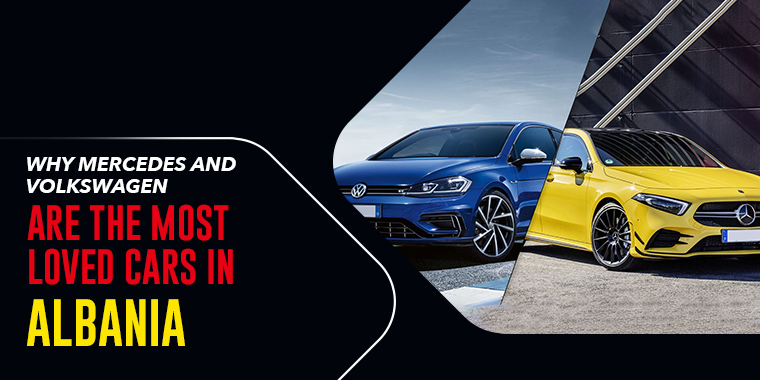
Albania’s relationship with cars is deeply personal. For many drivers, a vehicle is not just a mode of transport but a long-term companion, one that must endure rough roads, long distances, and years of daily use. Over time, two brands have clearly risen above the rest: Mercedes-Benz and Volkswagen.
While newer brands continue to enter the market, these two German manufacturers remain firmly rooted in Albanian car culture. To understand why, it helps to first look at how the local car market works and what Albanian buyers truly value.
An Overview of the Albanian Car Market
Albania’s car market is dominated by imports, particularly used vehicles from Western Europe. Unlike markets where new car sales lead the way, Albanian buyers often prioritize value, reliability, and long-term ownership over glamorous showroom cars. As a result, Germany, Italy, and Switzerland are major source countries for vehicle imports.
Moreover, most Albanian drivers prefer diesel engines for their fuel efficiency and torque, especially on hilly terrain. Automatic transmissions are becoming more popular, yet manuals still hold a strong presence. In addition, resale value plays a major role in purchasing decisions, as many owners plan to sell or upgrade after several years.
Against this backdrop, Mercedes-Benz and Volkswagen have built reputations that align almost perfectly with local expectations.
Market Trends Shaping Buyer Preferences
In recent years, Albanian buyers have become more informed and selective. While affordability remains important, durability and maintenance costs now carry equal weight. Additionally, there is growing interest in comfort features, safety systems, and fuel efficiency across older models.
At the same time, the availability of mechanics and spare parts strongly influences brand loyalty. Cars that are easy to repair without expensive diagnostics or rare components naturally gain an advantage. Consequently, brands with a long-standing presence tend to dominate, reinforcing a cycle of trust and familiarity.
Mercedes-Benz: A Symbol of Trust and Status
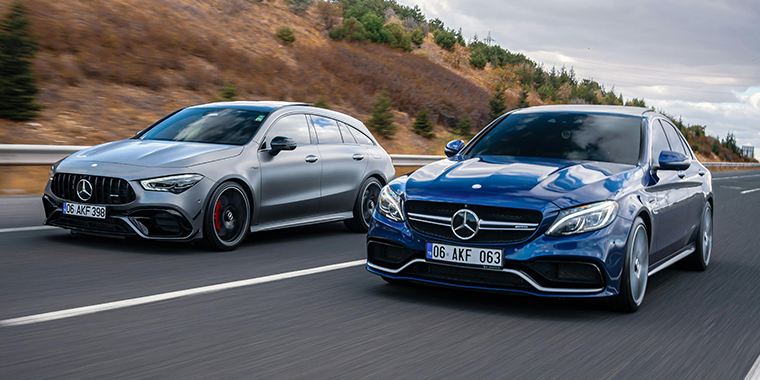
Mercedes-Benz holds an almost legendary status in Albania. For decades, the brand has been associated with strength, prestige, and mechanical longevity. Even today, older Mercedes models can be seen across cities and rural areas alike, still performing reliably.
Built for Albanian Roads
One of the biggest reasons for Mercedes’ popularity is durability. Many classic models, especially from the 1990s and early 2000s, were built with robust suspensions and strong diesel engines. As a result, they handle uneven roads and long-distance driving with ease.
Furthermore, these cars are known for tolerating less-than-perfect fuel quality. In a market where fuel standards can vary, this reliability is a major advantage.
Long Engine Life and Mechanical Simplicity
Mercedes diesel engines, particularly older ones, are famous for running hundreds of thousands of kilometers with proper maintenance. Because of this, buyers see them as safe long-term investments rather than risky purchases.
In addition, many mechanics in Albania are well-versed in Mercedes systems. This widespread expertise reduces repair costs and downtime, which further strengthens buyer confidence.
Strong Resale Value
Another key factor is resale value. Mercedes cars, even with high mileage, retain demand. Therefore, owners know they can recover a significant portion of their investment when they sell. This is especially true for buyers searching for used Mercedes cars for sale, as the market remains consistently active.
Volkswagen: Practical, Efficient, and Accessible
While Mercedes represents durability and prestige, Volkswagen appeals through practicality and balance. The brand offers a wide range of models that suit different budgets and lifestyles, from compact city cars to family-friendly wagons and SUVs.
Fuel Efficiency That Matters
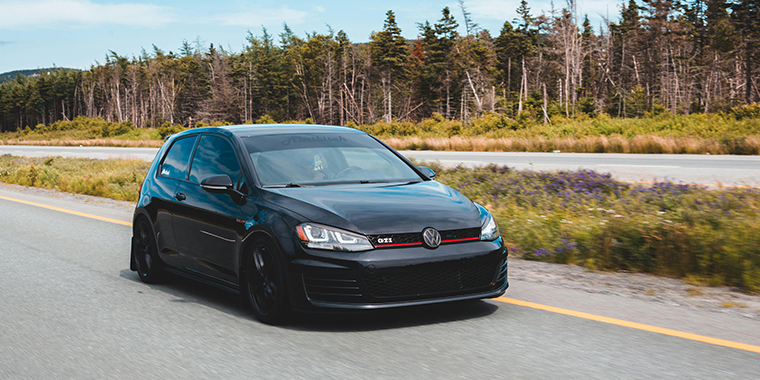
Volkswagen’s diesel engines, particularly the TDI lineup, are well-known for fuel efficiency. In a country where fuel costs directly affect household budgets, this efficiency is a major selling point.
At the same time, these engines provide enough power for highway driving and mountainous routes, making them suitable for Albania’s varied terrain.
Affordable Ownership Experience
Volkswagen vehicles generally cost less to purchase and maintain than luxury brands. Spare parts are widely available, and repairs are straightforward. As a result, ownership feels predictable and manageable, especially for first-time buyers or families.
Moreover, insurance costs and taxes for Volkswagen models are often lower, adding to their overall affordability.
Versatility across Lifestyles
Volkswagen’s diverse lineup plays a significant role in its popularity. The Golf remains a favorite for urban drivers, while the Passat appeals to families and professionals. Meanwhile, models like the Tiguan and Touareg attract buyers seeking comfort and light off-road capability.
Because of this variety, Volkswagen manages to stay relevant across generations and income levels.
The Role of German Engineering in Buyer Trust
Both Mercedes-Benz and Volkswagen benefit from the strong reputation of German engineering. In Albania, “German-made” is often synonymous with quality, precision, and longevity.
This perception is reinforced by real-world experience. Over time, drivers have seen these vehicles outperform competitors in terms of reliability and lifespan. Consequently, trust is passed down from one generation to the next, creating brand loyalty that is difficult to disrupt.
Availability of Spare Parts and Skilled Mechanics
Another crucial factor behind their dominance is infrastructure. Spare parts for both brands are easy to find, whether new or used. Additionally, many workshops specialize in German cars, ensuring repairs are faster and more affordable.
Because of this established ecosystem, buyers feel less risk when choosing Mercedes or Volkswagen. They know support is readily available, even in smaller towns.
Cultural Influence and Word-of-Mouth
Car preferences in Albania are heavily influenced by community experience. Friends, family members, and local mechanics often recommend brands based on long-term results rather than marketing claims.
Over the years, positive word-of-mouth has reinforced the image of Mercedes and Volkswagen as dependable choices. As more people share good experiences, new buyers naturally follow the same path.
Looking Ahead: Will Their Dominance Continue?
Looking ahead, Mercedes-Benz and Volkswagen are well-positioned to maintain their dominance in Albania, even as the automotive landscape gradually evolves. Although electric and hybrid vehicles are gaining global attention, adoption in Albania remains slow due to limited infrastructure and higher upfront costs. As a result, diesel and petrol vehicles will continue to dominate in the near term, favoring brands already trusted in this space.
At the same time, both manufacturers are actively modernizing their lineups, introducing cleaner engines, improved safety systems, and more efficient technologies. This ability to adapt without compromising reliability strengthens their long-term appeal. Moreover, strong resale demand and established after-sales networks ensure buyer confidence remains intact. Unless major economic or policy shifts occur, their market leadership is unlikely to fade anytime soon.
Final Thoughts
Mercedes-Benz and Volkswagen are not just popular in Albania by chance. Their success is due to durability, practicality, affordability, and long-term trust. They align perfectly with what Albanian drivers value most: cars that work hard, last long, and hold their value.
In a market driven by real-world performance rather than flashy trends, these two brands have earned their place. And as long as reliability and value remain top priorities, Mercedes and Volkswagen will continue to be the most loved cars on Albanian roads.