If you have spent any time navigating the bustling streets of Lagos or the undulating terrains of the Nigerian interior, you know that not just any vehicle can handle the pressure. Consequently, the used Toyota Fortuner has earned its reputation as the go-to SUV for those who demand a blend of executive luxury and rugged durability. It sits perfectly in that sweet spot, more refined than a Hilux but more accessible than a full-sized Land Cruiser.
For many Nigerian buyers, the journey to ownership now begins online. Buyers often look toward major hubs like China for competitive deals and high-spec models. However, buying a vehicle across continents can feel like a daunting task. In this breakdown, we will walk you through everything you need to know about the 2026 Toyota Fortuner. From its mechanical prowess to the logistics of getting it to your driveway in Nigeria, you will find out if it’s a car worth considering.
Design and Interior Comfort: More than Just a Pretty Face
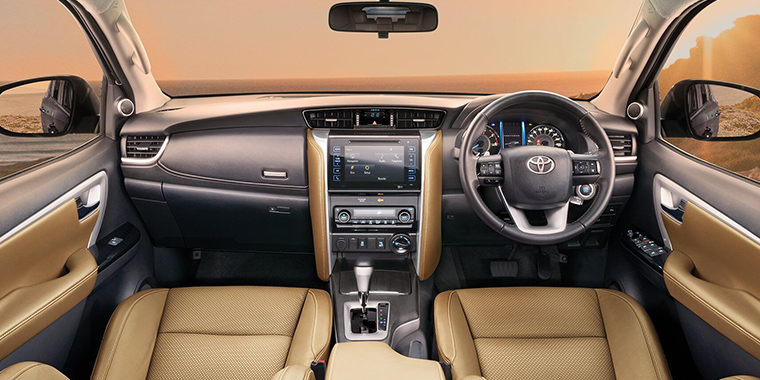
When you first look at the Toyota Fortuner, its presence is undeniable. The 2026 model continues the executive adventure aesthetic, featuring sleek LED headlamps and a bold front grille that commands respect in traffic. Nevertheless, the real magic happens once you step inside.
The interior is designed to be a sanctuary from the heat and noise of the outside world. Since Nigeria’s climate can be unforgiving, the dual-zone automatic climate control with rear vents is a lifesaver for passengers in the second and third rows. Additionally, the cabin features premium soft-touch materials and an 8-inch infotainment system compatible with Apple CarPlay and Android Auto. This ensures that whether you are stuck in Third Mainland Bridge traffic or cruising toward Abuja, your connectivity remains seamless.
Seating Capacity: 7-seater configuration, ideal for large families.
Space Management: One-touch tumble seats in the second row for easy access to the back.
Safety Tech: Equipped with 7 SRS airbags and a 360-degree panoramic view monitor.
Performance and Engine Specs: Power That Meets the Road
Performance is where the Fortuner truly separates itself from the soft-roaders. In Nigeria, you need an engine that can handle low-quality fuel occasionally and provide enough torque to pull through muddy patches during the rainy season. Because of this, Toyota offers several powertrain options to suit different needs.
The most popular choice for the Nigerian market remains the 2.8L Turbo-Diesel engine. This powerhouse produces approximately 201 HP and a staggering 500 Nm of torque. However, if you prefer petrol, the 2.7L dual VVT-i engine is a reliable workhorse, offering a smoother, quieter ride for city dwellers.
Furthermore, the 4WD system is not just for show. With a part-time 4WD switch, you can transition from fuel-efficient rear-wheel drive on the highway to high-traction 4WD when the pavement ends. This versatility is precisely why the Fortuner is seen as a one-car-fits-all solution for Nigerian professionals.
Pricing Breakdown: What to Expect in the Nigerian Market
Understanding the price of a Fortuner in 2026 requires looking at both brand-new and foreign used options. However, prices fluctuate based on the exchange rate. However, you can generally find a Toyota Fortuner starting at USD 9,000 and going up to USD 100,000 for the most recent models.
While these figures might seem high, the resale value of a Toyota in Nigeria is legendary. You are not just spending money; you are storing it in an asset that depreciates much more slowly than its competitors.
Buying Online: The China to Nigeria Connection
1. Leveraging Trusted Export Platforms
To begin with, you should focus on reputable B2B and B2C platforms or specialized auto-exporters based in hubs like Shanghai and Shenzhen. These platforms have streamlined the process by providing detailed 360-degree photography, digital inspections, and even video walk-arounds of the engine’s performance. While the price tags in China are incredibly attractive, you must remember that the listed price is usually the FOB (Free On Board) price, which does not include the journey to Lagos.
2. The 2026 Regulatory Roadmap: Form M and SONCAP
Navigating Nigerian customs starts long before the ship leaves the dock. To import a vehicle legally in 2026, you must utilize the Nigeria Single Window Trade Portal.
The e-Form M: This is your mandatory declaration of intent to import. You will need to open this through a commercial bank in Nigeria using the Proforma invoice provided by your Chinese seller.
SONCAP Certification: The Standards Organization of Nigeria (SON) requires a Conformity Assessment Program certificate. Essentially, this ensures the vehicle meets Nigerian road and safety standards before it is allowed to clear the port.
3. Shipping Logistics: Choosing Your Vessel
Once your paperwork is in order, you must choose a shipping method. Ro-Ro (Roll-on/Roll-off) remains the most popular and cost-effective choice for SUVs like the Fortuner. However, if you are importing a high-end 2026 Executive Edition, you might consider containerized shipping. Although it is more expensive, it offers an extra layer of protection against the elements and potential parts stripping during the long voyage across the Indian and Atlantic Oceans.
4. The VIN Valuation System
A major update for 2026 is the full integration of the Automated VIN Valuation System by the Nigeria Customs Service (NCS). This system uses the vehicle’s unique Identification Number to generate the duty value automatically. This is a double-edged sword: while it reduces the guesswork at the port, it also means that duties are strictly enforced based on the global market value. Therefore, it is wise to set aside a financial buffer of roughly 20% of your total budget to cover fluctuating exchange rates and port charges.
By understanding these steps, you transform a complex international purchase into a manageable project. While the process requires more effort than visiting a local lot, the reward is a modern, high-spec Toyota Fortuner at a price that makes the extra legwork more than worth it.
Fuel Economy: Managing Your Running Costs
With the recent changes in fuel pricing in Nigeria, efficiency is now a top priority. The diesel variants of the Fortuner are surprisingly frugal for their size. You can expect an average of 10.5L/100km in urban settings, while highway cruising can drop that figure to about 8.5L/100km.
On the other hand, the 2.7L petrol engine is thirstier, often hovering around 12.5L/100km in heavy traffic. To maximize your fuel, we recommend maintaining proper tire pressure and avoiding jackrabbit starts at green lights. Small habits can lead to big savings over a year of driving.
Final Thoughts
The Toyota Fortuner is more than a status symbol; it is a tool for mobility in a challenging environment. Whether you are importing a high-spec model from China or hunting for a verified used unit in Lagos, the focus should always be on the vehicle's history and the reliability of your shipping partner.
By choosing the Fortuner, you are opting for peace of mind. Parts are available in every corner of Nigeria, and every mechanic knows their way around a Toyota engine. Ultimately, that reliability is the greatest luxury any car owner can ask for.
Are you ready to make the leap? If you are looking at specific listings online, always remember to request a Pre-export Inspection (PEI) certificate. This ensures that the car leaving the port in China is exactly what arrives at your door in Nigeria. Happy driving!