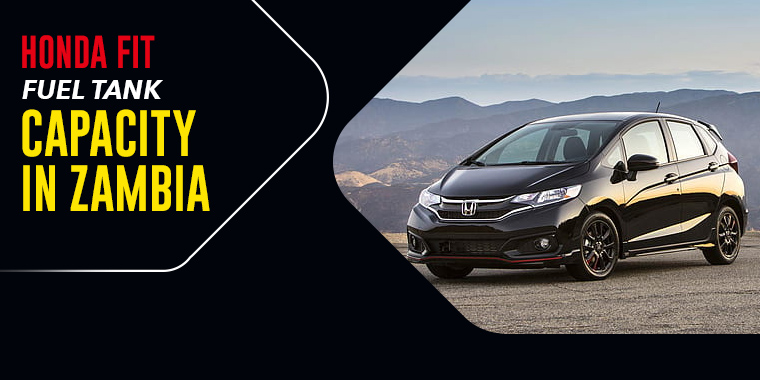
The Honda Fit is a highly popular car choice in Zambia. You can see it everywhere in Lusaka. It is also a very common sight across the Copperbelt. This vehicle is highly reliable. It is also very compact and exceptionally agile. Furthermore, it fits perfectly into the busy urban lifestyle.
However, local fuel prices fluctuate constantly at the filling stations. Therefore, smart buyers must look closely at fuel metrics before purchasing. However, buying a car online requires careful research. You cannot just look at the purchase price alone. You must also calculate the long-term running costs.
Consequently, one common question stands out above the rest. What is the actual Honda Fit fuel tank capacity? Additionally, how far will that tank take you on local roads? This comprehensive guide breaks down the exact specifications. We will look at different generations of this vehicle and evaluate real-world mileage under Zambian conditions. Finally, we will share practical tips to help you choose the right model online.
Understanding the Exact Fuel Tank Capacity of the Honda Fit
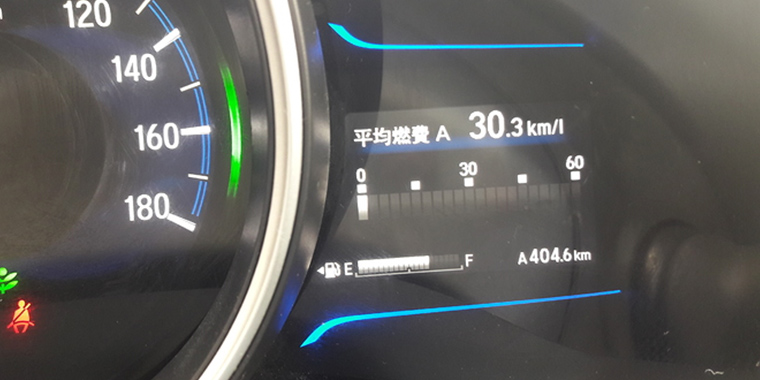
The Honda Fit spans several distinct generations. Online vehicle listings will show many different model years. Fortunately, Honda keeps the fuel storage size very consistent. They use a unique engineering layout for this model.
Standard Petrol Generation Specifications
Most petrol Honda Fit models in Zambia have a 40-liter tank. This capacity applies to the popular second and third generations. These are known as the GE and GK series. Some older, first-generation models hold 42 liters of fuel. These older models are known as the GD series.
Moreover, Honda places the fuel tank under the front seats. This is a very unique design choice. It creates significantly more cabin space in the back. Therefore, the tank size remains identical across engine options. It does not matter if you choose a 1.3-liter engine. It also does not matter if you choose a 1.5-liter i-VTEC engine. You can generally expect a standard 40-liter fill-up from an empty tank.
Hybrid Variant Tank Differences
Many Zambian buyers now prefer hybrid models. They choose hybrids to save money on daily commutes. Therefore, if you want a hybrid, note the size difference. The hybrid fuel tank holds around 32 to 40 liters. The exact size depends on the specific model year.
The smaller size accommodates the hybrid battery pack. It also leaves room for the electrical drive components. However, this smaller capacity does not mean less driving distance. In fact, you will likely travel much further on a single fill-up. This is due to advanced fuel-saving technology.
Real-World Driving Range on Zambian Roads
Tank volume is only part of the equation. Zambian drivers need to know the actual driving range. How many kilometers can you get from a full tank? This depends on where you drive. It also depends on how you drive.
Urban Navigation vs. Highway Cruising
On the open highway, the Honda Fit shines brightly. A drive from Lusaka to Ndola is a great example. The T2 road allows for steady speeds. A healthy petrol engine uses 5.5 to 6.5 liters per 100 kilometers. Consequently, a full tank can deliver 600 to 700 kilometers of highway driving. This makes it excellent for long-distance travel.
Urban driving changes these numbers quickly. Heavy traffic on Lumumba Road causes constant stopping. Traffic jams on Independence Avenue also reduce efficiency. Furthermore, running the air conditioning uses extra fuel during the hot season. In the city, consumption rises to 8 liters per 100 kilometers. Thus, your urban range drops to around 500 kilometers per tank.
The Hybrid Efficiency Advantage
Hybrid models change the game entirely for local drivers. The physical tank is slightly smaller. However, the overall efficiency is much higher. Hybrids use only 3.5 to 4.5 liters per 100 kilometers. Therefore, a single tank can last for 750 to 900 kilometers. This makes hybrids perfect for daily commuters. It also makes them ideal for local taxi operators.
Factors That Influence Your Fuel Mileage in Zambia
Factory specs provide a great baseline for comparison. However, real-world driving depends heavily on local conditions. Several unique factors will affect your daily fuel economy. You should keep these factors in mind every day.
Fuel Quality at the Pump
The quality of petrol matters a lot. Clean, high-quality unleaded fuel burns much better in the cylinders. Moreover, it keeps your i-VTEC engine running smoothly. It also prevents unnecessary fuel waste during combustion. However, poor-quality fuel can cause engine knocking, which will lower your overall efficiency.
Local Road Infrastructure
Potholes and gravel roads require frequent braking. You must slow down for rough patches constantly. Then, you must accelerate again to regain speed. This constant slowing and accelerating uses more fuel. However, well-paved roads offer much better economy.
Vehicle Weight and Cargo
The Honda Fit has amazing cargo space. It features the famous Magic Seats design. You can carry large items easily. However, carrying heavy loads forces the engine to work harder. Driving with a maximum passenger count also adds weight, which will quickly lower your kilometers-per-liter average.
Smart Tips for Maximizing Efficiency on a Single Tank
You can easily stretch your fuel budget with better habits. Small changes make a big difference over time.
Smooth Driving Techniques
First, practice smooth acceleration techniques. Avoid stamping on the gas pedal heavily. Try to look ahead at traffic patterns, which can help avoid unnecessary braking. Overall, gentle driving saves a lot of fuel over time and also reduces wear on your brakes.
Proper Tire Maintenance
Second, check your tire pressure regularly. Under-inflated tires create extra road resistance. This forces the car to burn more fuel to move forward. Keep your tires inflated to the recommended factory levels. This simple check protects your wallet at the pump. The recommended pressure for tires can be found on a small metal plate on the driver's side door panel.
Routine Engine Service
Finally, stick to your maintenance schedule. Clean air filters allow the engine to breathe easily. Fresh engine oil reduces internal friction. You should also replace old spark plugs on time. These simple steps keep the powertrain highly efficient.
What to Look for When Buying Online
Are you searching digital marketplaces for an efficient hatchback? If so, you must look beyond the surface. You need to verify the specific details of the vehicle.
Verify Vehicle Codes
Always check the chassis code before buying. This confirms the exact engine type. It also confirms the matching tank setup. You do not want surprises after the car arrives.
Check History Reports
Review the vehicle history reports carefully. Look at the auction sheets if available. Ensure the undercarriage has no past impact damage. Moreover, a damaged underside can affect the fuel tank. It can also damage the fuel lines underneath.
Inspect the Dashboard Functionality
Furthermore, confirm that the digital fuel gauge works properly. The onboard trip computer must also give accurate readings. This ensures you can plan your journeys safely. If you want great options, browse a high-quality used Honda Fit for sale today.
Conclusion
The Honda Fit’s 40-liter tank offers a great balance. It fits the car's compact size perfectly. More importantly, it provides an excellent range for the Zambian economic climate. It helps you manage your transport budget effectively.
By choosing the right model, you can drive with absolute confidence and spend less time at the filling station every week. Enjoy the journey ahead with peace of mind. Your online purchase will be a great success if you follow these steps.