If you live in Zimbabwe, you have likely noticed that the Honda Fit is everywhere. From the bustling streets of Harare to the long stretches of the highway leading to Bulawayo, this hatchback has become a national favorite. But why is that? While its compact size and surprising interior space play a huge role, the real winner is the efficiency. In a country where fuel prices can fluctuate and every kilometer counts, understanding your vehicle's fuel consumption and tank capacity is essential.
This guide provides a deep dive into everything you need to know about the Honda Fit’s performance. Whether you are looking at an older imported model or the newer hybrid versions, we will break down the numbers so you can buy with confidence.
Understanding the Honda Fit Fuel Tank Capacity
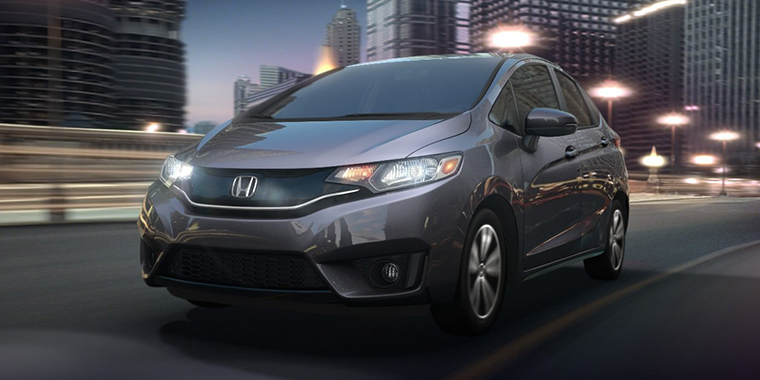
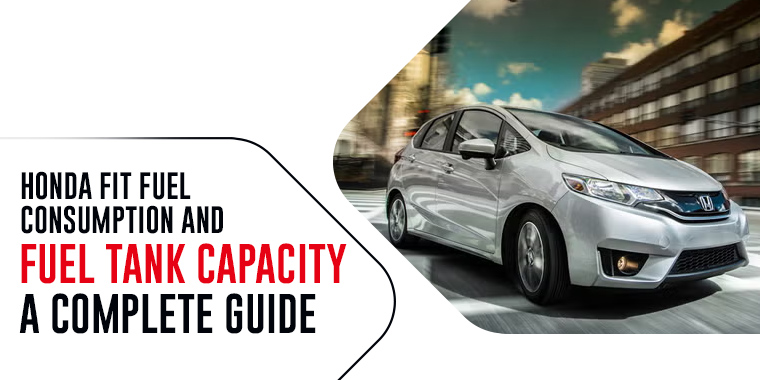
When you are planning a long trip to the Eastern Highlands or simply commuting to work, knowing how much fuel your car can hold is vital. Most generations of the Honda Fit come with a fuel tank capacity of approximately 40 liters. This size is quite standard for a B-segment hatchback.
Because the tank is relatively small compared to a large SUV, you might worry about frequent trips to the service station. However, the car compensates for this with incredible efficiency. On a full 40-liter tank, a well-maintained petrol model can easily cover over 600 kilometers, while a hybrid version can push that distance even further. For Zimbabwean drivers, this means fewer stops at the pump and more money saved for other essentials.
Honda Fit Fuel Consumption: Petrol vs. Hybrid
The most common question buyers ask is about the actual fuel economy. In Zimbabwe, you will find two main types: the standard petrol engines and the advanced hybrid models.
Standard Petrol Engine Performance
The traditional 1.3L and 1.5L i-VTEC petrol engines are legendary for their balance of power and thriftiness. On average, these models consume between 5.5L and 7.0L per 100km. If you are driving smoothly on the highway, you can expect even better results. This makes the Honda Fit one of the most affordable non-hybrid cars to run in the country.
Hybrid (e:HEV and i-DCD) Efficiency
If you really want to slash your fuel bill, the hybrid models are the way to go. These versions use a combination of a petrol engine and an electric motor. Under ideal conditions, a hybrid Honda Fit can achieve a staggering 3.0L to 4.0L per 100km. In stop-and-go traffic, which is common in urban centers like Chitungwiza or Mutare, the electric motor does the heavy lifting, saving you a significant amount of petrol over time.
Engine Performance and Driving Dynamics
Under the hood, the Honda Fit offers several engine configurations that cater to different driving needs. The most popular imports in Zimbabwe are the 1.3L and 1.5L four-cylinder engines. These engines utilize Honda’s Earth Dreams technology, which optimizes the combustion process to ensure you get the most energy out of every drop of fuel.
The car usually pairs these engines with a Continuously Variable Transmission (CVT). Unlike traditional automatic gearboxes that shift between gears, the CVT provides a seamless flow of power. This helps keep the engine in its most efficient RPM range at all times. Consequently, you experience a smooth ride that doesn't feel jerky, even when you are navigating the hilly terrain around Vumba or Nyanga.
Exterior Design: Built for the City
The exterior of the Honda Fit is a masterclass in functional design. Its monovolume or wedge shape is not just for looks; it is highly aerodynamic. By reducing wind resistance, the car requires less energy to move at high speeds. This directly improves the car’s fuel consumption figures.
Furthermore, in Zimbabwe, the car's compact dimensions are a massive advantage. It is incredibly easy to park in crowded city centers where space is at a premium. Additionally, newer models feature LED headlights and a sleek grille, giving the car a modern, premium feel despite its affordable price tag. The ground clearance is generally sufficient for paved roads, though you should always be mindful of those deeper potholes after a heavy rainy season.
The Magic of the Interior Space
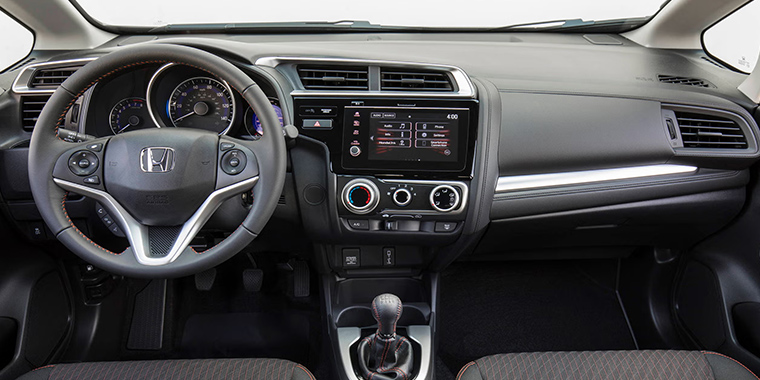
One of the most famous features of this vehicle is the Magic Seats system. While it is a compact car on the outside, the interior feels like a much larger vehicle. You can flip the rear seats up to carry tall items like potted plants, or fold them completely flat to create a massive cargo area.
For many Zimbabwean families, this versatility is a game-changer. Whether you are transporting groceries, small furniture, or luggage, the Honda Fit handles it all. Moreover, the cabin uses durable, high-quality materials that stand up well to daily wear and tear. Additionally, the large windows provide excellent visibility, making it a very safe and easy car to maneuver through heavy traffic.
Advanced Tech and Connectivity
Despite being an affordable hatchback, the Honda Fit often comes packed with impressive technology. Most models since 2014 feature a touchscreen infotainment system, Bluetooth connectivity, and rearview cameras. These features make every journey more enjoyable and less stressful.
Newer generations imported from Japan or South Africa also include the Honda Sensing suite. This technology provides active driver assistance, such as lane-keeping assist and adaptive cruise control. Not only do these features keep you safe, but they also help maintain a steady speed on the highway, which further optimizes your fuel economy. When you use cruise control on the open road, the engine runs more consistently, helping you achieve peak efficiency.
Safety Features You Can Rely On
Safety is a top priority for any car buyer. The Honda Fit consistently earns high safety ratings in international crash tests. It comes equipped with multiple airbags, including front, side, and curtain airbags in many trim levels.
Moreover, the braking system usually includes Anti-lock Braking (ABS) and Electronic Brake-force Distribution (EBD). These systems are crucial when driving on unpredictable road surfaces, helping the car remain stable even during emergency stops. In Zimbabwe, where road conditions can vary, having a car that responds predictably in a crisis provides immense peace of mind for you and your passengers.
Tips to Maximize Fuel Efficiency
To get the most out of every liter of the Honda Fit, a few small habits make a massive difference. First, practice smooth acceleration; avoid flooring it at robots and instead build speed gradually to keep the RPMs low. Second, check your tire pressure monthly, as under-inflated tires create drag that forces the engine to work harder.
Additionally, lighten your load by removing unnecessary items from the boot, reducing the energy required to move the vehicle. Finally, stick to a strict service schedule. Replacing clogged air filters and old spark plugs ensures your car burns fuel as cleanly and efficiently as possible. Thus, saving you money at every fill-up.
Final Thoughts
In conclusion, while buying a vehicle online can be tricky, the Honda Fit remains one of the safest bets you can make. Always check the auction grade if you are importing from Japan, and pay close attention to the mileage. A well-maintained unit will continue to deliver excellent fuel economy for many years.
By choosing this hatchback, you are not just getting a car; you are getting a versatile tool that adapts to your life. From its Magic Seats to its world-class fuel efficiency, the Honda Fit truly earns its reputation as the king of the Zimbabwean roads. So, be sure to keep the tires properly inflated and stick to your service schedule to ensure your fuel consumption stays as low as possible.