If you have ever spent an afternoon navigating the organized chaos of Cairo’s Ring Road or searching for a narrow parking spot in Alexandria, you know why the Toyota Yaris is a local legend. In Egypt, you don't just look for a car; you look for a survivor. You need something that can handle the summer heat, the occasional pothole, and the stop-and-go traffic that defines daily lives.
The Toyota Yaris has long been the safe bet for Egyptian families and young professionals alike. However, when you’re browsing listings on platforms like SBT Japan, you often find yourself stuck between two very different generations: the rounded, plucky 2010 model and the sharper, more aggressive 2015 version.
While both carry the Toyota badge of invincibility, they offer different experiences in terms of long-term reliability and ownership costs. This buying guide aims to peel back the layers and help you decide which one deserves a spot in your driveway.
The 2010 Toyota Yaris: The Batta That Never Quits
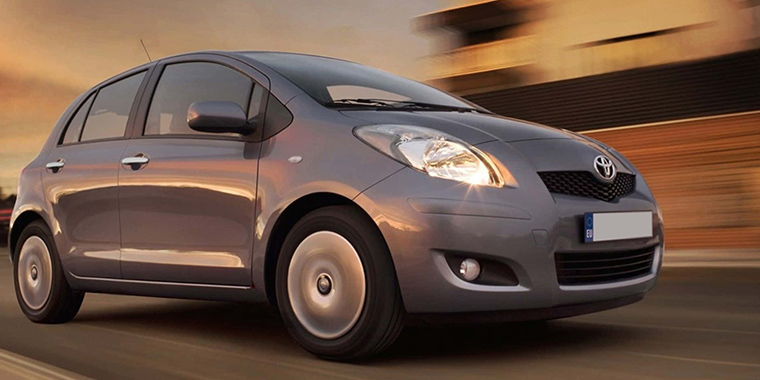
The 2010 model belongs to the second generation of the Yaris, affectionately known in some circles as the Batta (duck) due to its rounded shape. However, by 2010, Toyota had perfected this platform. It was the peak of simple engineering, which is exactly what makes it so attractive in the Egyptian used market today.
Engine and Drivetrain Reliability
Most 2010 models in Egypt come with the 1.3L or 1.5L VVT-i engine. These engines are famously robust. Because they lack the complex turbochargers or direct-injection systems found in more modern cars, there are fewer high-tech parts to fail. Consequently, as long as you change the oil regularly, these engines can easily cross the 300,000 km mark.
However, you should be aware of the Multi-mode Manual Transmission (MMT) if you happen to find one. While the standard 4-speed automatic is nearly indestructible, the MMT (an automated manual) was known for being jerky and prone to actuator issues. Moreover, in the Egyptian heat, these actuators can overheat during heavy traffic, leading to frustrating gear-skipping or the car dropping into neutral unexpectedly.
Common Wear and Tear
Furthermore, the suspension on the 2010 model is built for comfort, but after 15 years on Egyptian roads, the bushings and shock absorbers are likely tired. You might hear a clunking sound when going over speed bumps. The good news? Spare parts for this generation are sold in every corner of the country, from downtown Cairo to the smallest workshops in Upper Egypt, and they are incredibly affordable.
The 2015 Toyota Yaris: A Modern Step Forward
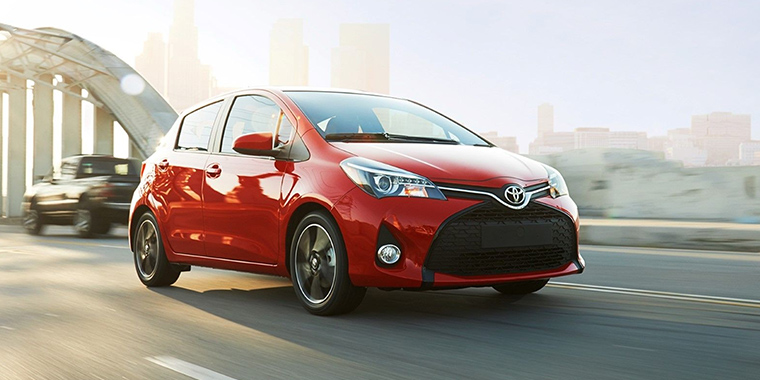
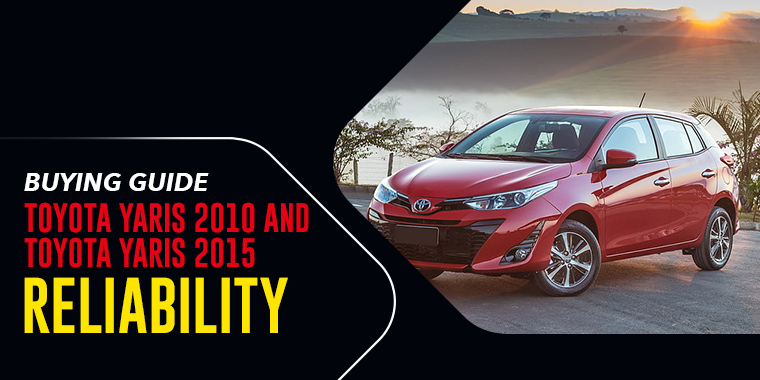
Fast forward to 2015, and the Yaris grew up. This model (the XP150) was designed specifically for emerging markets, meaning it was built with tougher conditions in mind. Moreover, it is longer, wider, and looks significantly more modern than its predecessor.
The Shift in Technology
By 2015, Toyota had largely moved away from the quirky MMT gearboxes in our region, opting instead for a more refined 4-speed automatic or a CVT in some variants. However, for the Egyptian buyer, the 4-speed automatic remains the gold standard for reliability. Overall, it is simple, predictable, and doesn't struggle with the heat.
The 2015 model also introduced better cabin insulation and more electronics. So, while this makes the car more comfortable, it does introduce more potential ghosts in the machine. However, some owners have reported minor electrical glitches with the infotainment or sensors, although these are rarely deal-breakers.
Fuel Quality and Efficiency
One major advantage of the 2015 model is its improved fuel mapping. It manages to squeeze a bit more distance out of every liter of 92-octane fuel. Considering the rising fuel prices in Egypt, this efficiency gap over the 2010 model can add up to significant savings over a year of commuting.
Side-by-Side: Reliability Comparison
To make your decision easier, let’s look at how these two stack up across the most critical reliability categories for an Egyptian driver.
|
Feature |
2010 Toyota Yaris |
2015 Toyota Yaris |
|
Engine Longevity |
Exceptional; very simple to fix. |
High; slightly more complex electronics. |
|
Transmission |
Avoid MMT; 4-speed Auto is solid. |
Very Reliable (mostly 4-speed Auto). |
|
Air Conditioning |
Strong, but compressors may age. |
Excellent; better vent placement. |
|
Spare Parts |
Available everywhere; cheapest prices. |
Widely available; slightly more expensive. |
|
Resale Value |
Holds value extremely well. |
High demand; very easy to resell. |
Maintenance in the Egyptian Climate
Egypt presents a unique challenge for cars: the sand and heat factor. Therefore, whether you choose the 2010 or the 2015 model, your maintenance schedule will be the deciding factor in its reliability.
The Cooling System
For the 2010 Yaris, the cooling system is the heart of its survival. Since these cars are now older, the radiators often get clogged with fine dust. Therefore, if you are buying a 2010 model, the first thing you should do is a professional radiator flush. In contrast, the 2015 model typically has a more modern cooling setup, but you still need to ensure the coolant used is the original Toyota pink or red fluid rather than tap water, which can cause internal rust.
The Suspension and Tires
Egyptian roads are famous for surprise potholes. The 2015 Yaris has a slightly firmer suspension compared to the 2010. This gives it better stability at highway speeds (like on the Cairo-Alex Desert Road), but it also means you might feel the impacts more. Regardless of the year, check the Tish (steering links) and the Koplen (CV joints). If you hear a clicking sound when turning the steering wheel fully, the CV joints are likely shot, a common ailment in Egypt due to torn rubber boots letting in sand.
Potential Pain Points: What to Watch Out For
Every car has its Achilles' heel. Even a Toyota isn't perfect. So, if you are inspecting a used Yaris, keep these specific issues in mind.
Oil Consumption in Older Models
Some 2010 models with high mileage (over 200,000 km) may start to eat a little oil. It’s not necessarily a sign of a dying engine, but it does require you to be vigilant. Consequently, always check the dipstick every two weeks. If the exhaust smoke is blue, walk away; the engine needs a costly overhaul.
Dashboard and Interior Plastics
The 2015 model looks much nicer inside, but the plastics are still quite hard. In the intense Egyptian sun, if the car wasn't parked in the shade or didn't have window tinting, the dashboard can occasionally develop rattles or creaks. On the other hand, the 2010 interior is almost bulletproof in its simplicity, though it looks very dated by today's standards.
The Verdict: Which One Should You Buy?
Choosing between a 2010 and a 2015 Yaris usually comes down to your budget and your tolerance for maintenance.
Buy the 2010 Toyota Yaris if: You are on a tighter budget and want a car that any mechanic in any village can fix with a screwdriver and a wrench. All in all, it is the ultimate utility vehicle that prioritizes function over fashion.
Buy the 2015 Toyota Yaris if: You want a more modern daily driver with better safety features (like improved airbag systems) and a more stable feel at higher speeds. Overall, it is the better choice if you plan on keeping the car for the next five years as your primary family vehicle.
Ultimately, both cars are masters of reliability. In Egypt, a used Toyota is less of a purchase and more of an investment. You buy it today, drive it for three years, and likely sell it for a reasonable price. However, just remember: the most reliable car is the one that was loved by its previous owner. All in all, always insist on a professional inspection at a trusted center before handing over your hard-earned EGP.