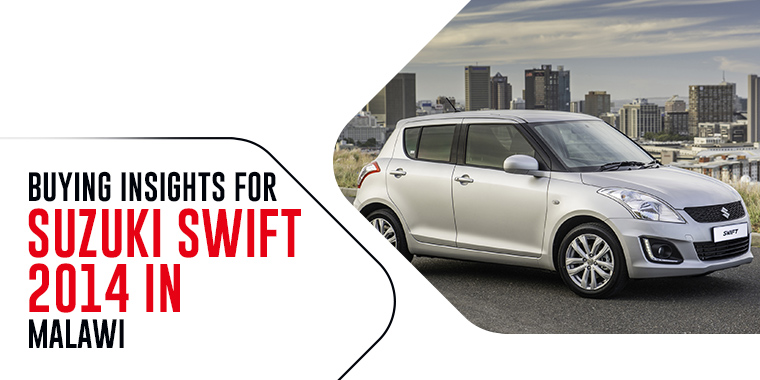
Navigating the used car market in Malawi can feel like a daunting task. Especially when you are balancing budget constraints, fuel economy, and road conditions. Among the compact hatchbacks navigating the streets of Blantyre, Lilongwe, and Mzuzu, the 2014 Suzuki Swift remains a standout favorite. Drivers constantly seek vehicles that offer high fuel efficiency without compromising reliability, and this third-generation Japanese hatchback hits that sweet spot effortlessly.
However, buying a decade-old vehicle online from Japanese exporters requires careful planning. Furthermore, you must understand how this vehicle performs on local roads and what costs are involved before making a commitment. This detailed guide provides key insights into the 2014 Suzuki Swift to help you make an informed decision.
Overview of the 2014 Suzuki Swift Performance and Trims
To make a smart purchase, you must first understand what the 2014 Suzuki Swift offers under its bonnet. The 2014 model represents the refined era of the third generation. Consequently, it boasts improved cabin insulation, tighter handling, and superior safety features compared to earlier iterations.
1. The Standard Trims (XG and XL)
The base XG and mid-tier XL trims are the most common variants available on Japanese export sites. Powered primarily by a responsive 1.2-liter K12B four-cylinder petrol engine, these trims produce roughly 90 to 94 horsepower. Although those numbers seem modest on paper, the lightweight body structure ensures the car feels energetic during city commutes. Standard equipment usually includes air conditioning, power windows, keyless entry, and dual airbags.
2. The Premium Trim (XS / XS-DJE)
If you desire additional comfort and technology, the XS trim is worth seeking out. It introduces 16-inch alloy wheels, automatic climate control, fog lights, paddle shifters on automatic models, and cruise control. The DJE (Dual Jet Engine) variants feature Suzuki’s smart hybrid technology alongside a stop-start system, which noticeably decreases fuel consumption during idle traffic.
2. The Swift Sport
For performance enthusiasts, the Swift Sport houses a naturally aspirated 1.6-liter M16A engine paired with either a 6-speed manual or a 7-speed stepped CVT. While exciting to drive, keep in mind that the Sport trim sits lower to the ground and requires premium fuel, which might be less practical for everyday driving across varied Malawian terrains.
Why the 2014 Suzuki Swift Fits Malawian Driving Realities
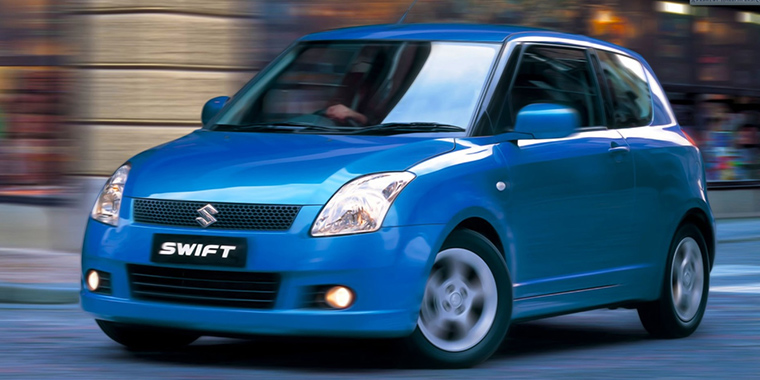
Before wiring money overseas, you should evaluate how a hatchback aligns with the practical demands of driving in Malawi.
Exceptional Fuel Economy
Given current fuel price volatility, running costs are a top priority for local drivers. The 1.2L K12B engine is famously frugal, achieving up to 18 to 22 kilometers per liter under optimal driving conditions. As a result, daily trips between suburbs and central business districts remain affordable.
Maintenance and Spare Parts Availability
Because Suzuki Swifts are widely imported into Southern Africa, spare parts are readily available. Mechanics in major urban centers like Lilongwe and Blantyre are thoroughly familiar with Suzuki’s mechanical architecture. Thus, routine servicing is straightforward and economical. Filters, brake pads, suspension bushings, and plugs can easily be found in local auto spare shops.
Ground Clearance Considerations
One potential drawback of the Swift is its ground clearance, which sits at approximately 140 mm to 150 mm. While this is fine for paved highway driving along the M1, negotiating unpaved feeder roads or deep potholes requires cautious driving. Consequently, many local buyers choose to fit slightly taller tires or install modest suspension spacers to gain extra road clearance.
Essential Steps for Buying a Used Swift Online

Purchasing a vehicle through export platforms like SBT Japan offers access to clean, well-maintained units. However, buying remotely requires strict diligence to avoid costly surprises.
Step 1: Deciphering the Auction Sheet
When browsing online listings, always request or check the Japanese Auction Inspection Sheet.
Overall Grade 4.0 or Higher: Indicates the car is in excellent condition with minor wear.
Overall Grade 3.5: Represents a solid choice with normal wear for a 2014 model.
Grade R or A: Signals that the vehicle was involved in an accident and repaired. Unless you have trusted technical assistance, it is generally safer to avoid these units.
Step 2: Choosing the Right Drivetrain
Japanese domestic market (JDM) Swifts come in both Front-Wheel Drive (2WD) and All-Wheel Drive (4WD). While 4WD provides better traction during the rainy season, it adds weight and extra mechanical components. Therefore, standard 2WD models are preferable for lower maintenance and optimal fuel efficiency.
Step 3: Selecting Your Shipping Route
Most vehicles imported into Malawi enter via the Port of Dar es Salaam in Tanzania or the Port of Beira in Mozambique.
Dar es Salaam: Generally offers more frequent vessel sailings from Japan, though transit times from port to the Songwe border can take longer.
Beira: Offers a shorter land route into Southern Malawi through Mwanza, making it a popular route for buyers in Blantyre.
Mechanical Checkpoints: What to Look Out For
Because you are buying a 10-year-old vehicle, certain mechanical components warrant extra scrutiny before finalizing your transaction.
1. Continuously Variable Transmission (CVT) Health
Most automatic 2014 Swifts feature a CVT gearbox. While CVTs are smooth and fuel-efficient, they depend heavily on regular fluid changes. When reviewing listing photos or requesting video checks, verify that the vehicle accelerates smoothly without hesitating or making high-pitched whining noises.
2. Undercarriage and Rust Inspection
Vehicles sourced from coastal regions in Japan may suffer from rust beneath the chassis. Therefore, examine undercarriage photos carefully, paying close attention to exhaust pipes, suspension arms, and wheel wells. Superficial surface rust is manageable, but deep corrosion on structural frames is a red flag.
3. Suspension Wear
Given the age of a 2014 model, shock absorbers, rubber bushings, and tie-rod ends may require replacement upon arrival. Budgeting a small contingency fund for routine suspension refreshers ensures your car feels tight and stable on local roads.
Budgeting for Taxes and Landing Costs in Malawi
The price displayed on an online portal is merely the Free On Board (FOB) or Cost, Insurance, and Freight (CIF) price. To determine your true total outlay, you must calculate the taxes assessed by the Malawi Revenue Authority (MRA).
MRA Import Duties
Import duties on passenger cars in Malawi depend on engine capacity and vehicle age. Because a 2014 model falls into the 10-year age bracket, import duties, excise taxes, and Value Added Tax (VAT) apply based on MRA's Customs Value assessment.
Additional Landing Expenses
In addition to MRA clearance, remember to factor in:
- Port handling fees at Dar es Salaam or Beira.
- Customs clearing agent fees.
- Transit insurance and temporary registration tags.
- Final inspection and registration fees with the Directorate of Road Traffic and Safety Services (DRTSS).
Setting aside an additional 50% to 65% of the vehicle’s CIF value usually provides a safe cushion to cover customs duties and port fees.
Conclusion
The 2014 Suzuki Swift remains an outstanding investment for Malawian drivers who value fuel efficiency, reliability, and sensible maintenance costs. By choosing the right trim, carefully inspecting auction reports, and budgeting accurately for MRA import taxes, you can secure a quality vehicle online with confidence. With proper care, this compact hatchback will comfortably handle your daily commutes across Malawi for years to come.