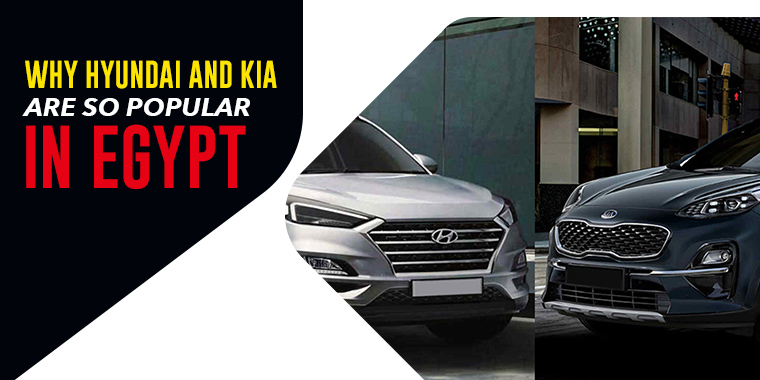
In Egypt’s competitive automotive market, two brands consistently stand out: Hyundai and Kia. Walk through Cairo’s busy streets or Alexandria’s coastal roads, and you will quickly notice how common models like the Hyundai Elantra, Hyundai Accent, Kia Cerato, and Kia Sportage have become. This popularity is not accidental. Instead, it is the result of smart product positioning, a deep understanding of local consumer needs, and years of trust-building in a challenging economic environment.
To understand why Hyundai and Kia resonate so strongly with Egyptian buyers, it is important to first look at the broader market. Then, we can explore how these Korean brands align so well with local preferences, budgets, and driving realities.
Overview of the Egyptian Automotive Market
A unique mix of economic pressures, urban density, and long-term ownership habits shapes Egypt’s car market. While demand for cars remains strong, buyers are far more cautious than in many other regions. Price sensitivity is high, financing matters greatly, and resale value often plays a decisive role.
Moreover, fuel prices, import duties, and currency fluctuations significantly influence purchasing decisions. As a result, Egyptian consumers tend to favor vehicles that balance affordability, durability, and low running costs. Luxury brands exist, of course, but they serve a much smaller segment of the market.
At the same time, urban congestion and road conditions demand cars that are practical, comfortable, and easy to maintain. Sedans and compact SUVs dominate, while overly large or fuel-hungry vehicles remain niche choices. Within this context, Hyundai and Kia have found the perfect middle ground.
Key Market Trends Shaping Car Choices in Egypt
Several trends have defined Egypt’s automotive landscape over the past decade. First, there is a growing preference for value-driven brands. Buyers want modern features, but they also want peace of mind. As a result, brands that offer strong specifications without luxury-level pricing tend to perform best.
Second, fuel efficiency has become increasingly important. With fuel costs rising, Egyptian drivers pay close attention to engine size, consumption figures, and overall efficiency. Smaller displacement engines with reliable performance are especially attractive.
Third, after-sales support now matters more than ever. Consumers are no longer just buying a car; they are buying into a service network. Availability of spare parts, affordable maintenance, and reliable dealerships heavily influence brand loyalty.
Hyundai and Kia align closely with all three of these trends, which explains much of their success.
Strong Brand Presence and Long-Term Trust
One of the biggest reasons Hyundai and Kia thrive in Egypt is brand familiarity. Hyundai, in particular, has been present in the market for decades. Over time, it has built a reputation for producing cars that work, day in and day out, under demanding conditions.
Kia followed a similar path, benefiting from Hyundai Motor Group’s shared engineering and platform strategies. As a result, Egyptian consumers often see both brands as dependable, well-established, and safe choices.
Importantly, trust spreads quickly in Egypt through word of mouth. When taxi drivers, fleet owners, and families all report positive ownership experiences, the brand's confidence grows organically. Consequently, Hyundai and Kia enjoy a level of credibility that newer or less consistent brands struggle to match.
Affordable Pricing without Feeling “Cheap”
Price matters in Egypt, but buyers do not want to feel like they are compromising too much. This is where Hyundai and Kia excel. Their cars are positioned as affordable yet respectable, offering solid build quality and modern styling at accessible price points.
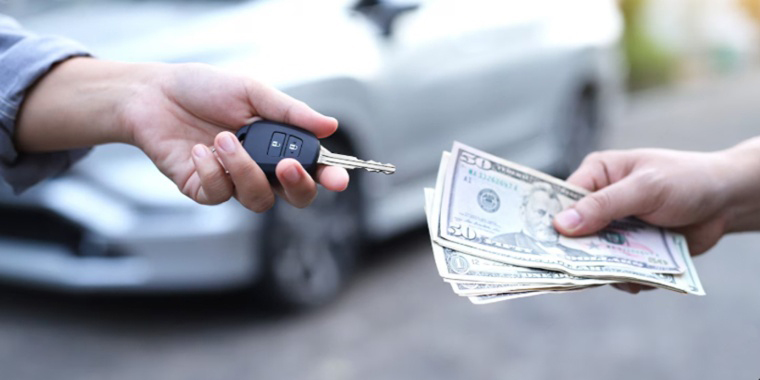
For instance, models like the Hyundai Accent or Kia Pegas appeal to first-time buyers and young professionals. Meanwhile, the Hyundai Elantra and Kia Cerato attract families who want space and comfort without paying premium prices.
Even their SUVs, such as the Hyundai Tucson and Kia Sportage, are priced competitively compared to Japanese or European rivals. As a result, buyers feel they are getting more car for their money, which strengthens brand loyalty.
Reliability That Matches Local Driving Conditions
Egyptian roads can be demanding. From heavy traffic and uneven surfaces to extreme heat and dust, cars are tested daily. Hyundai and Kia vehicles are well-known for reliably handling these conditions.
Their engines are generally simple, proven, and tuned for durability rather than aggressive performance. This approach appeals to Egyptian drivers who value consistency and long-term dependability. Moreover, suspension setups are typically comfortable and forgiving, which is ideal for city driving.
Because breakdowns and costly repairs are a major concern, this reputation for reliability becomes a powerful selling point.
Low Maintenance and Easy Spare Parts Availability
Another major factor behind the popularity of Hyundai and Kia is ease of ownership. Spare parts are widely available across Egypt, both through official channels and the aftermarket. Prices are relatively affordable, and mechanics are familiar with these cars.
This widespread support network reduces anxiety for buyers. They know that routine maintenance will not be expensive or complicated. Additionally, even in smaller cities or rural areas, finding parts for Hyundai and Kia models is rarely an issue.
In contrast, brands with limited parts availability or specialized servicing often struggle to gain traction in Egypt.
Modern Features That Appeal to Egyptian Buyers
While affordability and reliability are crucial, Egyptian consumers also appreciate modern features. Hyundai and Kia have invested heavily in design, infotainment, and safety technology, even in their more affordable models.
Touchscreen infotainment systems, smartphone connectivity, rear cameras, and advanced safety features are now common across their lineups. This gives buyers a sense of modernity and progress, without pushing prices too high.
As a result, these cars feel current and competitive, especially when compared to older designs still offered by some rivals.
Strong Resale Value and Market Confidence
Resale value plays a surprisingly important role in Egypt. Many buyers plan to sell or upgrade their cars after a few years, so depreciation matters. Hyundai and Kia perform well in this area because demand for used models remains strong.
Their reputation, combined with easy maintenance and parts availability, makes them attractive in the second-hand market. Consequently, owners feel more secure knowing their investment will retain reasonable value over time.
This confidence further reinforces initial purchasing decisions, creating a positive cycle for both brands.
Hyundai vs. Kia: Different Flavors, Same Winning Formula
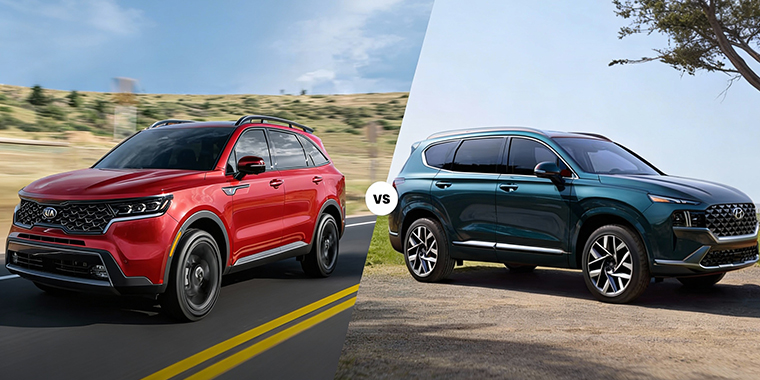
Although Hyundai and Kia share technology and platforms, they appeal to slightly different audiences in Egypt. Hyundai is often seen as more conservative and traditional, which resonates with families and older buyers. Kia, on the other hand, tends to attract younger drivers with sportier designs and interiors.
However, both brands deliver the same core strengths: reliability, value, and strong after-sales support. Together, they cover a wide range of consumer preferences, helping them dominate multiple market segments.
Looking Ahead: The Future of Hyundai and Kia in Egypt
As Egypt’s automotive market evolves, Hyundai and Kia are well-positioned to adapt. Interest in hybrid and more fuel-efficient technologies is growing, and both brands already have global experience in this area.
Additionally, as local assembly and regional partnerships expand, pricing could become even more competitive. This would further strengthen their position against rivals.
Ultimately, Hyundai and Kia understand Egypt’s market better than most. They offer cars that fit local realities, not just global trends.
Final Thoughts
The popularity of used Hyundai cars for sale and used Kia cars for sale in Egypt is no coincidence. It is the result of years of consistency, smart pricing, and genuine alignment with consumer needs. By offering reliable, affordable, and modern vehicles backed by strong after-sales support, these brands have earned the trust of millions of Egyptian drivers.