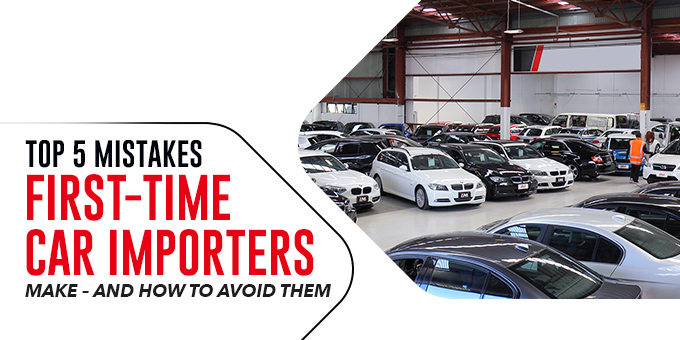
For many people, importing a car for the first time is both exciting and overwhelming. Whether you’re looking to save money, access rare models, or find better quality vehicles especially when exploring used cars from Japan or other international markets the appeal of bringing in a car from another country is undeniable. However, the process is more complex than simply choosing a car online and waiting for it to arrive at your doorstep.
In fact, many first-time importers run into costly, time-consuming, and often avoidable issues that turn their dream car into a frustrating headache. In this post, we’ll walk you through the top five mistakes first-time car importers make, and more importantly, how to avoid them. We’ll also highlight helpful tips to ensure your import experience is smooth and successful.
1. Underestimating the Total Cost of Importing
Let’s start with the most common pitfall: focusing only on the car’s sticker price. Many first-time importers believe they’re getting a fantastic deal — until they’re hit with a mountain of unexpected expenses.
Here’s what most people forget to factor in:
- Freight and shipping charges
- Import duties and taxes
- Clearing agent fees
- Port storage fees (if there's a delay in clearing)
- Inspection and compliance costs
- Registration and insurance upon arrival
For example, importing a vehicle from Japan to Kenya might seem like a steal at $5,000. However, by the time you pay taxes (up to 40% or more), port fees, and logistics costs, you may end up spending close to $9,000 or more.
How to Avoid It:
Start by getting a comprehensive cost breakdown from your exporter or a local clearing agent. Additionally, research your country’s customs duty calculator or vehicle tax estimator to avoid financial surprises. It's always safer to overestimate than underestimate.
2. Not Understanding Local Import Regulations
Each country has its own rules regarding vehicle imports, and not understanding these rules can lead to major setbacks. Unfortunately, many first-time importers make the mistake of assuming that if the car looks good and works fine, it will be accepted.
Some countries have:
- Age restrictions (e.g., cars older than 7 or 8 years are banned)
- Right-hand vs. left-hand drive regulations
- Emission standards and safety compliance checks
- Requirements for specific documentation, such as original logbooks, export certificates, or inspection reports
Imagine spending thousands on a car, only to be told at the port that it doesn’t meet your country’s environmental standards. That’s not just frustrating — it’s financially unfeasible.
How to Avoid It:
Before you even browse for a car, visit your national revenue authority or transport ministry’s website to learn the rules. Better yet, speak to a registered clearing agent or vehicle import specialist who can guide you through legal and compliance matters.
3. Failing to Verify the Seller or Vehicle
Here’s a hard truth: the internet is full of fake listings and dishonest sellers. First-time importers are particularly vulnerable to scams, partly due to their excitement and partly due to their inexperience.
Some common traps include:
- Vehicles advertised at too-good-to-be-true prices
- Photoshopped images or misleading descriptions
- Sellers asking for full payment upfront with no verifiable references
- Importers receiving a car in worse condition than promised — or never receiving it at all
In other cases, the vehicle might arrive with odometer tampering, accident history, or missing export documentation that prevents registration.
How to Avoid It:
Always buy through verified exporters or reputable vehicle auction sites. Look for sellers with strong reviews, verified company addresses, and a history of shipping to your country. Ask for a vehicle inspection report (like JEVIC for Japanese cars) and insist on seeing the chassis number and full service history.
Also, consider using a third-party escrow service that holds your funds until the vehicle is shipped and documentation is confirmed.
4. Ignoring Shipping and Delivery Details
Shipping logistics might seem like a minor detail, but it can make or break your experience. First-time importers often assume the seller will handle everything, but that’s rarely the case.
In reality, shipping terms like FOB (Free on Board), CIF (Cost, Insurance, Freight), and Ex-Works drastically affect your responsibilities and costs.
If you don’t understand who’s responsible for what, you could end up paying:
- Unplanned port handling charges
- Demurrage fees for late clearance
- Storage costs for delays in documentation
- Additional expenses for container unloading or inland transport
How to Avoid It:
Get clarity on the shipping terms before you pay. If you're new to importing, opt for CIF terms — this usually includes the cost of the car, insurance, and shipping up to your nearest port. From there, you can coordinate with a local clearing agent to handle the rest.
Also, ask the exporter for tracking details, estimated arrival dates, and documents needed for customs clearance well in advance.
5. Overlooking Post-Arrival Requirements
Once your car arrives, the job is far from over. First-time importers often forget that there are several critical steps before they can legally drive the vehicle.
These include:
- Customs clearance
- Vehicle inspection or roadworthiness test
- Registration and licensing
- Paying road tax or environment levy
- Buying insurance
- Modifications (like converting speedometers or adding safety features)
Many first-time importers get their vehicle stuck at the port or fail the initial road test because they didn’t prepare for post-arrival needs. In the worst-case scenario, cars can be impounded or denied registration.
How to Avoid It:
Work with a local agent or mechanic to understand what’s required once the car lands. Schedule inspections ahead of time, and be ready with the correct documents, including original invoices, bill of lading, export certificates, and tax receipts.
If you’re planning to drive the car immediately, pre-book insurance and ensure it passes the road tests without delay.
Tips for First-Time Importers
Importing a vehicle can be daunting, but with the right preparation and smart choices, first-time importers can navigate the process with confidence. Below are some key tips to help you avoid common pitfalls and ensure a hassle-free experience:
Do Thorough Research: Learn about your country’s import regulations, tax rates, and vehicle restrictions before committing to any purchase.
Work with Trusted Professionals: Partner with reputable exporters, clearing agents, and freight forwarders who have experience handling vehicle imports.
Request a Full Inspection Report: Always ask for third-party inspection reports to verify the car’s condition and authenticity.
Keep All Documentation Organized: Maintain copies of invoices, export certificates, the bill of lading, inspection reports, and all communication with the seller.
Prepare for Arrival in Advance: Pre-arrange insurance, local inspection, and vehicle registration appointments so you’re ready the moment your car arrives.
All in all, taking these extra steps may require more time upfront, but they’ll save you from stress, delays, and unnecessary expenses down the line.
Final Thoughts: Plan, Partner, and Proceed Wisely
Importing a car for the first time doesn’t have to be a nightmare. Yes, there are many moving parts — but with a little foresight and the right partners, you can sidestep the most common pitfalls and drive away with confidence. Ready to import your first car? Start by building a checklist based on the tips above and speak to professionals who’ve done it before. Avoid shortcuts, stay informed, and remember: the best deals are the ones with no surprises. For a deeper dive, especially if you’re purchasing from China, check out How Zambians Can Buy Used Cars from China to better understand the process and make smarter decisions. If you’d like help estimating your total import costs or need guidance on selecting a reliable exporter, feel free to drop your questions in the comments. Let’s make your first import experience a success!