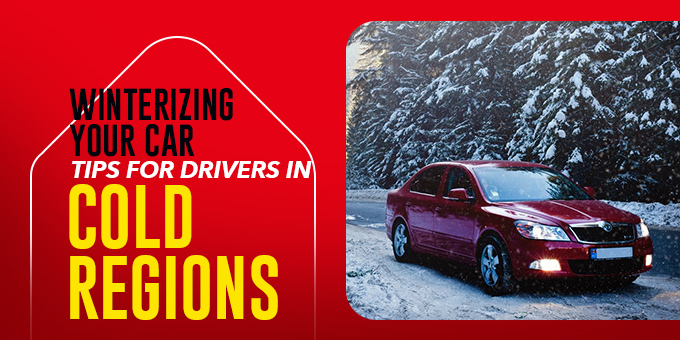
For drivers living in cold or snowy regions, winter isn’t just a season; it can turn into a serious test of your vehicle’s endurance and preparedness. While snowflakes and frosty mornings can be beautiful, winter weather can also be brutal on cars. So, whether you’re navigating icy roads or battling sub-zero mornings, taking proactive steps to winterize your car can save you time, money, and stress.
Let’s walk through the most important winter car prep tips, explore a few often-overlooked strategies, and help you stay safer on the road when the mercury drops.
1. Start with a Full Vehicle Inspection
Before the first snowstorm hits, it's essential to give your vehicle a thorough check-up. Cold temperatures intensify existing issues, therefore turning minor problems into major repairs.
Battery Health:
Cold weather reduces battery efficiency by up to 50%. Therefore, have your battery tested to ensure it can handle winter’s demands. For instance, if your battery is more than three years old, consider replacing it, especially if it has previously struggled to hold a charge.
Brakes:
Your brake system should be in top condition since stopping distances increase on icy roads. If you hear grinding or feel a vibration while braking, don’t wait; get them checked immediately.
Belts and Hoses:
These components become brittle in the cold. Inspect for cracks, frays, or leaks, and replace any worn parts. A snapped belt or burst hose in the middle of a snowstorm isn’t just inconvenient. It can be dangerous.
2. Switch to Winter Tires (Not Just All-Seasons)
This is one of the most debated topics in cold-weather driving. While many drivers rely on all-season tires, they aren't optimized for freezing temperatures and snowy conditions.
Why Winter Tires Matter:
Winter tires have deeper treads and softer rubber compounds designed to remain flexible in low temperatures. It means improved grip on icy, snowy, or slushy roads.
When to Switch:
As a rule of thumb, switch to winter tires when temperatures consistently fall below 7°C (45°F). Even if there’s no snow yet, the cold alone impacts tire performance.
3. Don’t Ignore the Fluids
Your car runs on more than just fuel. In winter, fluid maintenance becomes crucial. Therefore, focus on the following.
Engine Oil:
Consider switching to a winter-grade oil. Thinner oils like 5W-30 flow more easily in cold temperatures, helping your engine start smoothly.
Coolant (Antifreeze):
Ensure your coolant is properly mixed—typically a 50/50 ratio with water. This not only prevents freezing but also protects your engine from corrosion.
Windshield Washer Fluid:
Use a winter-specific washer fluid with antifreeze agents. Regular fluid can freeze in the lines or on your windshield, reducing visibility when you need it most.
4. Protect the Windshield and Wipers
If you've ever woken up to find your wipers frozen to the windshield, you know how frustrating winter mornings can be. In this case, do the following.
Wiper Blades:
Install winter wiper blades. They’re heavier, more durable, and designed to fight off snow and ice buildup.
De-Icing Windshield Covers:
Use a windshield cover overnight to keep frost off your glass. It saves you time in the morning and prevents excessive scraping.
Tip: Always lift your wipers if a snowstorm is expected. It keeps them from freezing to the windshield and prolongs their lifespan.
5. Prep Your Car’s Interior for Comfort and Safety
While much of winter prep focuses on the exterior and engine, don’t overlook your vehicle’s interior. Here are some things to take care of in the colder months.
Heater and Defroster Check:
Ensure your heater works properly and that your front and rear defrosters are functional. Driving with foggy or icy windows isn’t just annoying; and it’s unsafe.
Rubber Floor Mats:
Replace cloth mats with rubber ones. They trap snow, salt, and moisture, protecting your car’s carpeting and making cleanup easier.
Emergency Supplies:
Stock your trunk with a winter emergency kit: flashlight, thermal blanket, jumper cables, snacks, bottled water, a shovel, sand or kitty litter (for traction), and an ice scraper.
6. Keep Your Fuel Tank at Least Half Full
Although this may seem like outdated advice, it remains extremely relevant in winter.
Why It Matters:
A fuller tank reduces condensation inside the fuel tank, which can freeze fuel lines. Additionally, you’ll appreciate the extra fuel if you're stuck in traffic or snowed in and need to keep the engine running for warmth.
7. Lubricate Locks and Door Seals
Frozen locks and doors are more than an inconvenience; they can trap you outside your car during emergencies.
Graphite Lock Lubricant:
Apply a dry graphite lubricant to your door locks before the temperatures drop. It prevents freezing and keeps your key turning smoothly.
Silicone Spray on Seals:
Treat your door and trunk seals with silicone spray. It keeps the rubber supple and prevents doors from sticking shut due to ice buildup.
8. Underbody Care: Guard against Salt and Slush
Road salt keeps roads safe, but it’s corrosive to your vehicle’s undercarriage.
Pre-Winter Wash and Wax:
Before winter sets in, give your car a thorough wash and apply a protective wax. Don’t forget the underbody—many car washes offer special salt-preventive undercarriage sprays.
Rinse Often:
If you regularly drive on salted roads, wash your car frequently during winter. Focus on the wheel wells and undercarriage to minimize rust and corrosion.
9. Mind the Engine Block Heater
In extremely cold regions—especially northern states or Canadian provinces—an engine block heater becomes your best friend.
What It Does:
It warms your engine and oil before you start your car, reducing engine strain and making cold starts easier.
How to Use It:
Plug in your block heater for about 2–4 hours before driving. Use a timer to automate this process overnight. Overall, it saves energy and ensures a ready-to-go vehicle in the morning.
10. Adapt Your Driving Style for Winter Roads
Finally, even the best-prepped vehicle can't make up for unsafe winter driving habits. So be mindful of the following:
Go Slow:
Accelerate and decelerate gradually. Sudden movements can cause skidding on icy surfaces.
Increase Following Distance:
Leave extra space between your car and the one in front. On slippery roads, you need more time to stop safely.
Use Low Beams in Snow:
In snowy conditions, low beams offer better visibility. High beams reflect off the snow and reduce your vision.
Bonus Tip: Never use cruise control on icy or snowy roads. It reduces your ability to react quickly in emergencies.
Final Thoughts: Consistent Care Makes the Difference
In summary, winterizing your car isn’t just a one-time chore—it’s an ongoing commitment throughout the season. Therefore, by starting early, checking regularly, and adapting your driving habits, you’ll not only extend the life of your vehicle but also protect yourself and your passengers.
Many drivers wait until they’re stuck in a snowbank or dealing with a dead battery to take winter seriously. But you’re smarter than that. With these practical and often-overlooked tips, you’re now equipped to tackle winter head-on, confidently and safely.
So, stay warm, stay safe, and enjoy the beauty of winter without the breakdowns.