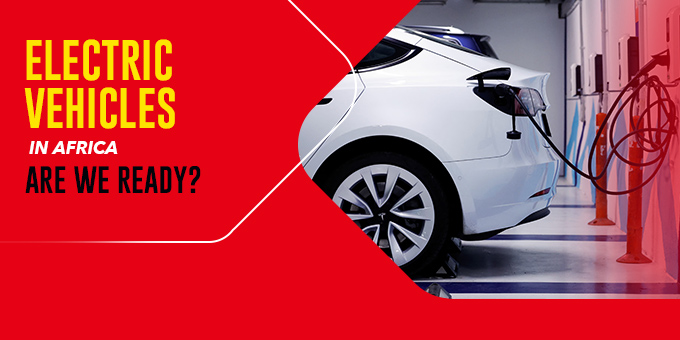
Electric vehicles (EVs) are no longer a distant dream. They’re here, they’re growing, and they’re making waves globally. From sleek Teslas in California to compact EV taxis in China, the electric revolution is charging ahead. But what about Africa? Is the continent ready to embrace this transformative shift?
While EV adoption is still in its infancy across much of Africa, the momentum is building. Countries like Kenya, Rwanda, South Africa, and Egypt are taking bold steps toward clean transportation. However, numerous challenges, ranging from infrastructure gaps to policy uncertainties, still loom large.
So, let’s unpack the current landscape of electric vehicles in Africa, explore the opportunities and barriers, and consider what it will take for the continent to ride the EV wave truly.
1. The Promise of Electric Vehicles in Africa
The idea of electric vehicles (EVs) in Africa extends beyond environmental concerns. It touches on economic transformation, energy independence, and innovation. As fuel prices fluctuate and climate change intensifies, electric vehicles (EVs) offer a cleaner, more cost-effective alternative to internal combustion engines.
Key benefits of EV adoption in Africa include:
Lower operating costs: Electricity is significantly cheaper than petrol or diesel in many African countries.
Environmental sustainability: Africa is especially vulnerable to climate change, and reducing vehicular emissions can play a small but important role.
Energy diversification: With abundant solar potential, Africa could generate clean energy to power vehicles without depending on imported fossil fuels.
Job creation: New industries like battery assembly, EV maintenance, and charging station management could open up fresh employment opportunities.
Clearly, the potential is vast. But realizing it requires more than good intentions. It demands infrastructure, investment, and intentional policymaking.
2. The EV Landscape: Who’s leading the Charge?
While Africa as a whole is still in the early stages of EV adoption, some countries are forging ahead. Let’s take a look at the early adopters and how they’re setting the tone.
Kenya: East Africa’s EV Pioneer
Kenya has become a leader in sustainable transport thanks to its heavy reliance on renewable energy (more than 80% of its grid is green). Startups like BasiGo and Roam are producing electric buses and motorcycles for public and commercial transport. Moreover, with favorable policies and incentives, Kenya is paving the way for EV innovation.
Rwanda: Embracing Two-Wheel EVs
Rwanda’s capital, Kigali, is fast becoming a hub for electric motorcycle taxis. With thousands of motor taxis operating daily, converting them to electric vehicles helps reduce urban pollution and transportation costs. Moreover, the government has demonstrated strong support by exempting electric vehicles (EVs) from VAT and import duties.
South Africa: A Mixed Bag
As Africa’s most industrialized nation, South Africa has potential—but also obstacles. It boasts a relatively advanced automotive sector and decent road infrastructure. However, its grid still relies heavily on coal, and load-shedding has raised concerns about EV charging reliability. Still, brands like BMW and Nissan have introduced electric vehicle (EV) models to the market.
Egypt and Morocco: The North African Innovators
Egypt is actively working on establishing local EV assembly lines and a public charging network. Morocco, meanwhile, has begun exporting EV components and is investing in green energy to power future EV growth.
These early steps are promising. Yet, they represent only a small fraction of what’s needed across the continent.
3. Major Challenges to EV Adoption in Africa
Despite the enthusiasm, significant hurdles stand in the way of widespread EV adoption. However, many of these issues are systemic and interconnected, requiring collaborative solutions.
Lack of Charging Infrastructure
Without reliable charging stations, owning an EV becomes impractical. Most African countries currently have fewer than 100 public charging stations, if any. For EVs to be viable, especially for long-distance or commercial use, investment in fast-charging networks is crucial.
High Upfront Costs
EVs remain more expensive than their internal combustion counterparts, even when accounting for lower fuel and maintenance costs. Import duties, VAT, and limited local manufacturing further inflate prices. Hence, this cost barrier is especially critical in a price-sensitive market.
Grid Reliability and Energy Access
Frequent power outages and limited electricity access, especially in rural areas, pose a serious challenge. In countries where the grid is already under strain, adding EV charging could worsen the situation unless renewable energy is integrated thoughtfully.
Lack of Policy Frameworks
Clear government policies can drive EV adoption by offering tax breaks, import incentives, and infrastructure support. Unfortunately, in many African nations, such policies are still under development or inconsistently applied.
4. Opportunities Africa Can Harness
Despite these challenges, Africa also holds some unique advantages that could help accelerate EV adoption if leveraged wisely.
Abundant Renewable Energy
The continent receives more solar radiation than almost any other region on Earth. By investing in solar-powered charging stations, African countries could sidestep the grid limitations and create off-grid charging solutions in both urban and rural areas.
Light Electric Vehicles (LEVs)
Motorcycles, tuk-tuks, and minibusses dominate Africa’s transport systems. These are perfect candidates for electrification. Moreover, LEVs require less energy, cost less, and can be charged more easily with basic infrastructure.
Second-Life EV Batteries
EV batteries that no longer serve vehicles can still store solar energy for homes or businesses. This “circular economy” approach could reduce waste and extend the benefits of EV technology.
Youthful, Tech-Savvy Population
Africa’s young population is adaptable and innovative. Local entrepreneurs are already building solutions like EV conversion kits, battery swap systems, and mobile charging services. Supporting such grassroots innovation can fast-track EV integration.
5. What Needs to Happen Next?
So, how can African nations position themselves to benefit fully from the EV revolution? Here are some crucial steps that governments, businesses, and civil society can take.
Policy and Regulation Development
Governments must draft clear EV policies that provide tax breaks, reduce import duties, and incentivize local manufacturing. Long-term commitments attract investors and build public trust.
Public-Private Partnerships (PPPs)
PPP models can finance large infrastructure projects like charging networks and EV manufacturing plants. Collaboration between government bodies and private startups can drive innovation and reduce costs.
Education and Awareness Campaigns
People need to understand how EVs work, their benefits, and how to maintain them. Public education campaigns can debunk myths and inspire consumer confidence.
Investment in R&D and Skills Training
Developing a skilled workforce is essential. Vocational training for EV mechanics, battery engineers, and software developers will support job creation and technological independence.
6. Looking Ahead: A Continental Approach?
With regional cooperation, Africa could form a unified EV strategy that benefits everyone. Imagine a “Pan-African EV Alliance” that:
- Harmonizes import and tax policies
- Builds cross-border charging corridors
- Supports joint ventures in manufacturing
- Establishes continental EV standards and certifications
Such a coordinated effort would reduce duplication, boost economies of scale, and ensure that no country is left behind.
Final Thoughts: The Time to Act is Now
So, are we ready?
The answer is: not quite—but we’re getting there. The momentum is building, and the will exists in many quarters. Africa may not replicate Europe’s EV trajectory, but it has the chance to create its own unique path—one that is more affordable, more decentralized, and more aligned with the continent’s needs.
To succeed, however, African nations must act decisively. They must think big, plan long-term, and invest strategically. Because the electric future isn’t just coming—it’s already here. The question is whether Africa will ride the wave or get left behind.