If you spend any time on the roads of Amman or navigating the rugged terrain of Wadi Rum, you know that one vehicle reigns supreme: the Nissan Patrol. It isn't just an SUV; it is a cultural icon known for its bulletproof reliability and sheer presence. However, finding the perfect used Nissan Patrol within the local Jordanian market can often feel like a compromise between high mileage and an even higher price tag.
This is exactly why many savvy Jordanian buyers are turning their eyes toward the broader Gulf market. Importing a vehicle might seem like a daunting logistical challenge. However, with the right roadmap, it is often the smartest financial move you can make. By looking beyond borders, you gain access to a massive inventory of well-maintained, high-spec vehicles that have lived their lives on the smooth highways of the UAE or Qatar. In this guide, we will break down the process into manageable steps so you can land your dream Patrol without the stress.
Step 1: Defining Your Specs and Setting a Realistic Budget
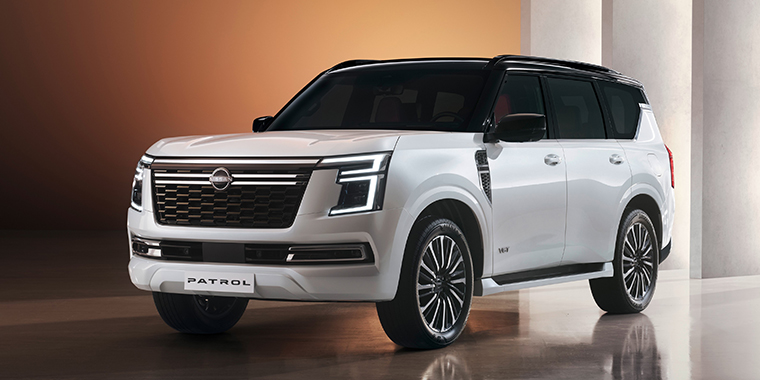
Before you start browsing international listings, you must understand what you are looking for. The used Nissan Patrol comes in various trims. From the rugged, no-nonsense Safari (Y61) to the luxurious and tech-heavy Armada (Y62). Jordanians typically favor the V8 engine for its power, but the V6 is an excellent, fuel-efficient alternative for daily city driving in Amman.
Furthermore, you need to establish a total landed cost budget. This isn't just the sticker price you see on a website in Dubai. Your budget must account for:
- The purchase price of the vehicle.
- Export insurance and shipping fees.
- The significant Jordanian customs duties and General Sales Tax (GST).
- Clearance agent fees at the Port of Aqaba or the Zarqa Free Zone.
By setting these parameters early, you avoid the heartbreak of finding a car you love but cannot afford to clear through customs.
Step 2: Sourcing Your Vehicle - The Hunt for Quality
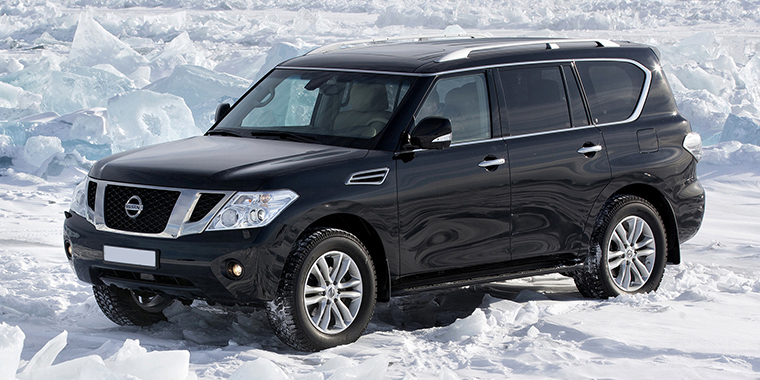
The internet has leveled the playing field for car buyers. Platforms like Dubicars, YallaMotor, and specialized export portals like SBT Japan let you conveniently filter for a used Nissan Patrol. However, sourcing a car online requires a healthy dose of skepticism.
As a result, when communicating with sellers in the Gulf, prioritize those who offer a full service history. The Gulf heat is legendary. While the cooling systems are designed for it, consistent oil changes and cooling system maintenance are non-negotiable. Moreover, look for listings that mention GCC Specs, as these vehicles include heavy-duty radiators and air conditioning units specifically engineered for the region’s climate; features that a US or European import might lack.
Step 3: The Virtual and Physical Inspection
You should never buy a vehicle sight-unseen. Since you are likely in Jordan while the car is in the UAE or Saudi Arabia, you need a proxy to be your eyes and ears. Consequently, hiring a professional third-party inspection service is the most important investment you will make.
Request a comprehensive report that covers:
Chassis and Frame: Ensure there is no sand damage or structural damage from accidents.
The Engine: A used Nissan Patrol is a workhorse, but a neglected V8 can be expensive to repair.
Computer Diagnostics: Check for hidden electronic faults.
The Flood Check: Even in the desert, flash floods happen. Therefore, ensure there is no silt or water damage in the carpets or wiring.
All in all, if a seller hesitates to allow a third-party inspection, walk away immediately. There are plenty of other used Nissan Patrols that you can consider.
Step 4: Navigating the Jordanian Regulatory Maze
Jordan has specific rules regarding the age and condition of imported vehicles. Under current regulations, passenger cars must be less than 5 years old to be cleared for permanent plates. However, regulations regarding classic cars or specific weight classes can vary, so it is vital to check the latest Model Year requirements from the Jordan Customs Department.
Additionally, remember that Jordan incentivizes cleaner energy. While the Patrol is a traditional petrol beast, ensuring your vehicle meets the required Euro emission standards is crucial for a smooth entry. You should also verify the VIN (Vehicle Identification Number) with a clearance agent in Jordan before the car leaves the Gulf to ensure it isn't blacklisted or flagged for previous major accidents.
Step 5: Shipping and Logistics to Aqaba
Once you are satisfied and have settled the payment, it is time to move the metal. You generally have two choices: Land transport via a car carrier or sea freight.
Land Transport: Often faster and more direct. The car is loaded onto a multi-car hauler and driven through Saudi Arabia to the Jordanian border.
Sea Freight: Usually arriving at the Port of Aqaba. This is a very safe method, especially if you choose containerized shipping to protect the car from the elements, though "Roll-on/Roll-off" (RoRo) is more cost-effective.
Furthermore, make sure you receive the export certificate from the country of origin. Without this original document, your used Nissan Patrol will sit at the border indefinitely.
Step 6: Customs, Clearance, and the Zarqa Free Zone
When the vehicle arrives, the real paperwork begins. Most importers choose to send their vehicle to the Zarqa Free Zone. This area acts as a buffer where you can store the vehicle without paying duties immediately.
You will need to hire a licensed customs solicitor (clearance agent). They will calculate the estimated value and tell you exactly how much you owe the government. Be prepared: taxes in Jordan can be high, often reaching a significant percentage of the car's assessed value. However, because you likely bought the used Nissan Patrol at a lower Gulf market price, the total cost often remains lower than buying the same model from a local showroom.
Step 7: Final Registration and Local Compliance
After you have paid the duties, your Patrol must undergo a technical inspection at the Licensing Department (MVLD). They will check the brakes, lights, and emissions to ensure the car meets Jordanian roadworthiness standards.
Finally, you will receive your Jordanian plates. However, before you hit the road, you must have your car serviced. For instance, change all fluids, replace the filters, and perhaps apply a high-quality ceramic coating to protect that paint from the Amman dust.
Conclusion: Is the Effort Worth It?
All in all, importing a used Nissan Patrol is undeniably more complex than visiting a local lot. Nevertheless, the rewards are substantial. You end up with a vehicle that has likely never seen a pothole, features a higher trim level than local base models, and possesses a documented history of care. Moreover, if you opt for export portals like SBT Japan, you get superior service at every step.
Lastly, by following this step-by-step guide, you aren't just buying a car. You are making a strategic investment in a vehicle that will hold its value and conquer every mountain Jordan throws at it.